Wellness-Focused Design Ideas For Sedona Luxury Homes
April 2, 2026
April 2, 2026
If you are drawn to Sedona luxury homes, you are probably looking for more than a beautiful address. You want a home that helps you slow down, recharge, and feel connected to the landscape around you. In Sedona, wellness-focused design works best when it is not just stylish, but also thoughtful about light, air, water, views, and resilience. Let’s dive in.
Sedona is one of the few places where wellness design feels naturally tied to the setting itself. The 2024 Sedona Community Plan emphasizes scenic views, a distinctive sense of place, and design that reflects the natural landscape.
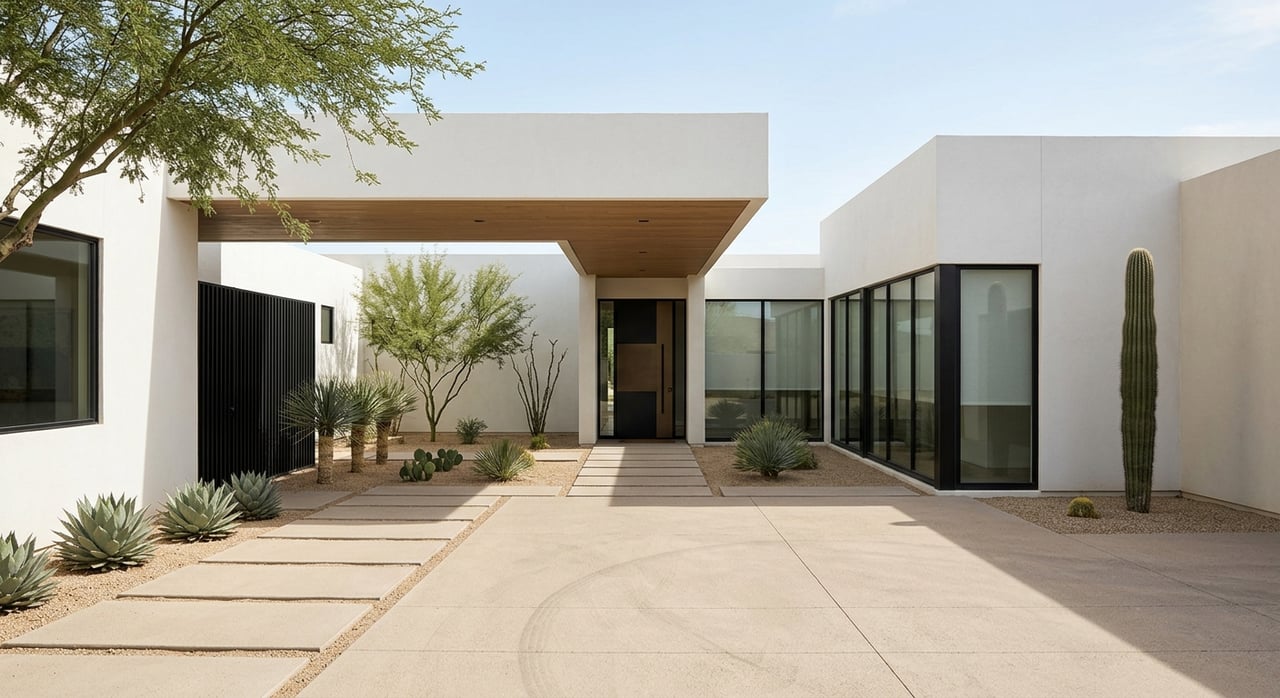
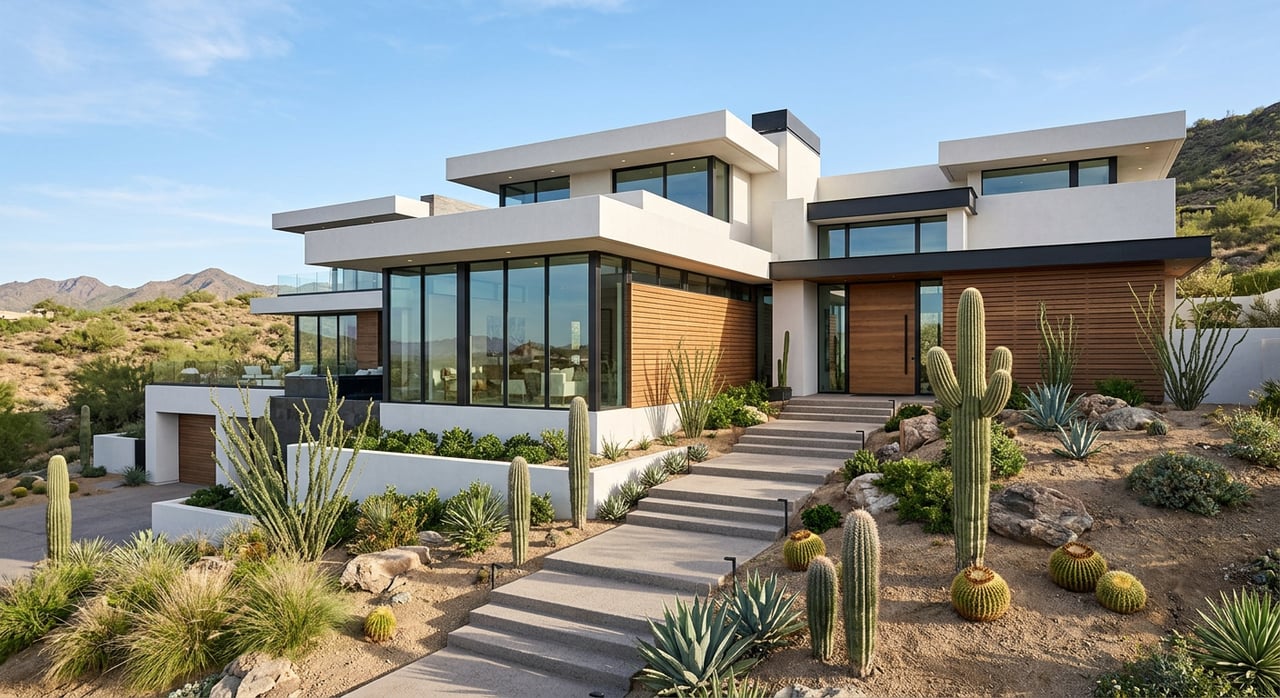
That matters if you are building, remodeling, or buying a luxury home here. In Sedona, the most compelling homes tend to feel calm, grounded, and connected to the red rock environment rather than overly ornate or disconnected from the site.
The city’s planning direction also puts focus on sustainability, resiliency, water conservation, and energy conservation. That means wellness design in Sedona is not only about spa features. It is also about creating a home that supports comfort and long-term livability in a high-desert climate.
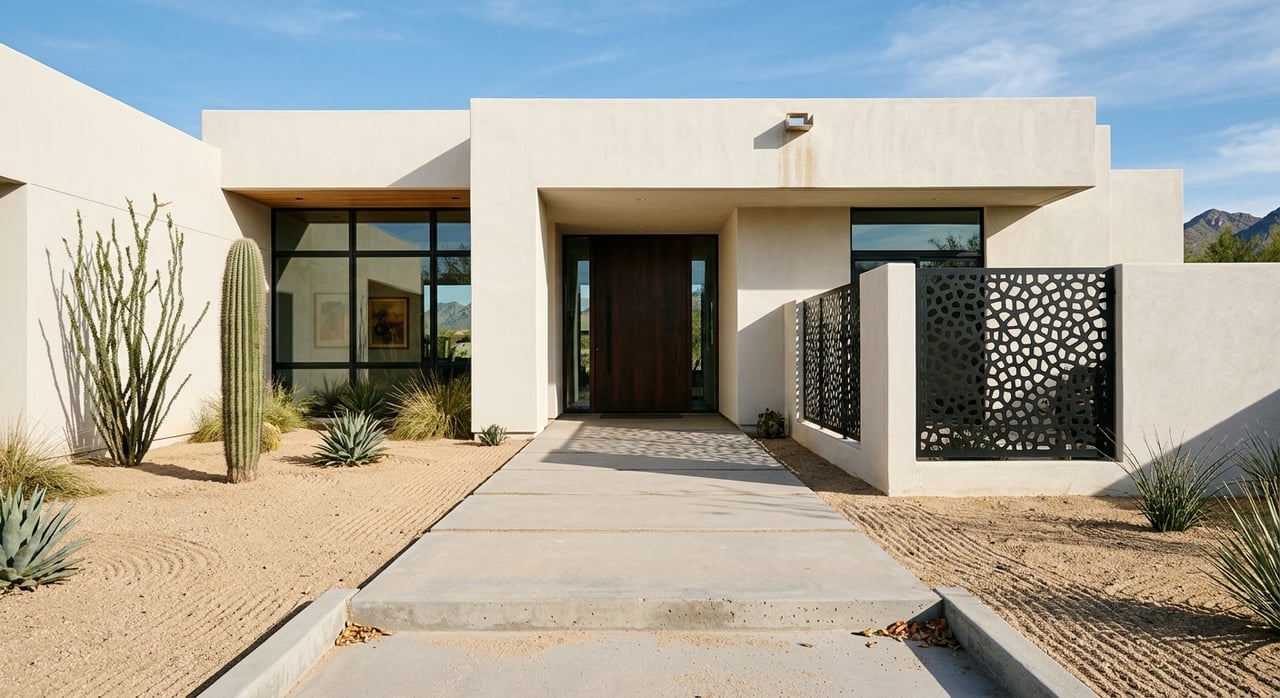
The strongest wellness interiors in Sedona usually begin with restraint. According to the city’s planning guidance, projects should be unique to Sedona and use materials, colors, textures, and plants that mirror the natural landscape rather than generic or artificial themes.
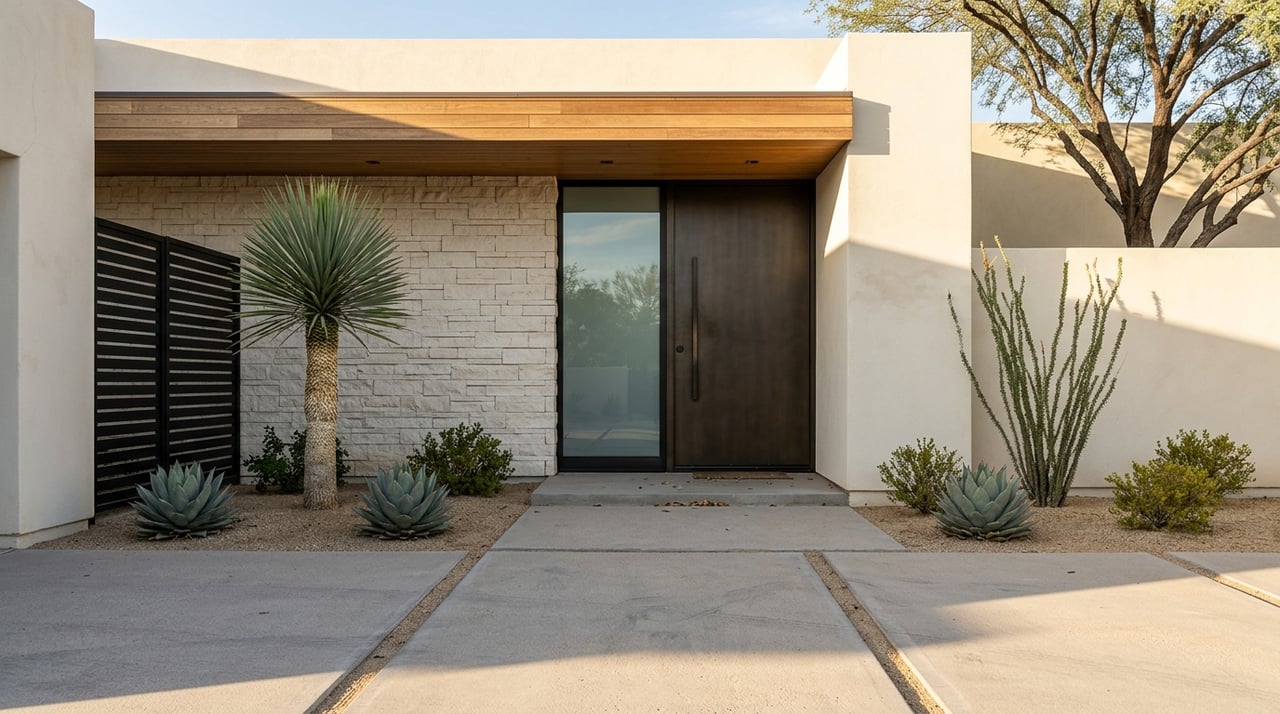
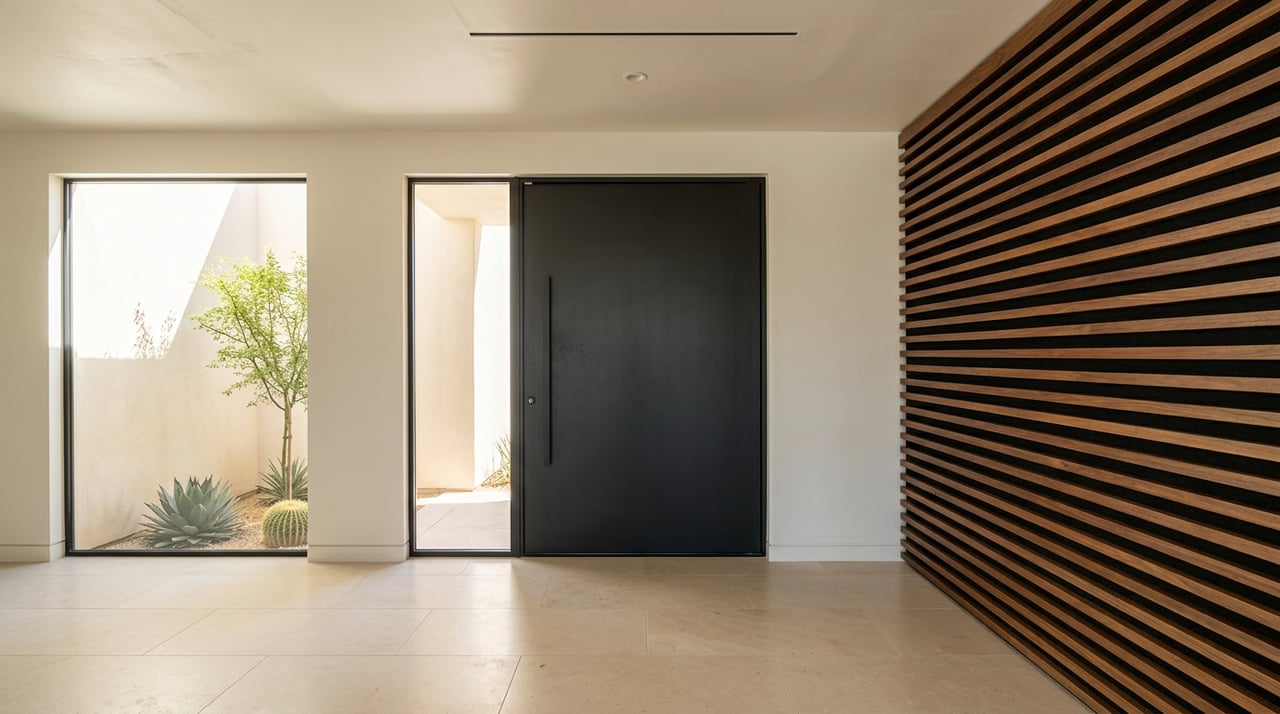
For you as a homeowner, that can translate into a softer and more timeless design direction. Think natural stone, warm wood, earthy finishes, quiet texture, and spaces that frame the outdoors instead of competing with it.
Sedona’s guidance also says development should recognize, preserve, and highlight scenic vistas and viewsheds. In a luxury home, that makes view planning part of the wellness strategy.
A sitting room oriented toward red rock views, a soaking tub with canyon outlooks, or a meditation area placed for sunrise light can make the home feel restorative every day. The point is not excess. The point is giving the landscape a meaningful role in how the home feels.
Materials shape mood more than many buyers expect. Finishes that feel matte, tactile, and grounded often suit Sedona better than glossy or overworked surfaces.
This approach aligns with the city’s emphasis on materials and textures that reflect the setting. It also helps create the kind of visual calm many luxury buyers are looking for when they choose Sedona in the first place.
Light is one of the most important parts of wellness design. The National Heart, Lung, and Blood Institute explains that the light-dark cycle affects your circadian rhythm, melatonin, and sleep timing.
For a Sedona luxury home, that supports a simple but powerful design move. Maximize natural daylight during the day, then shift to warm, controlled lighting at night.
Large windows, clerestories, and indoor-outdoor spaces can bring in generous natural light while reinforcing the connection to the landscape. Daylight can make movement rooms, reading spaces, kitchens, and primary suites feel more energizing and balanced during the day.
The key is to pair light with comfort. In Sedona’s bright climate, thoughtful shading and orientation can help you enjoy daylight without making interiors feel harsh or overheated.
Sedona’s dark-sky standards make this especially relevant. The city values its dark skies and notes that exterior lighting should be shielded, targeted, and low level, with warm sources that do not exceed 2,700 Kelvin for Class 2 lighting, as outlined in its community character and lighting guidance.
That is not just a code issue. It is a wellness advantage. Softer outdoor lighting can make terraces, courtyards, and pathways feel more peaceful while preserving views of the night sky.
A wellness home should feel as good as it looks. If you are considering spa bathrooms, steam features, or sealed modern construction, indoor air quality and moisture control deserve careful attention.
The EPA’s indoor air quality guidance says that ventilation, source control, and filtration help improve indoor air quality, and it also highlights humidity control to prevent condensation and mold. ENERGY STAR notes that fresh-air ventilation helps dilute indoor contaminants.
In Sedona luxury homes, spa-inspired spaces can absolutely work well. A primary bath retreat, steam shower, or recovery room feels more valuable when it is supported by good ventilation and durable moisture management.
That means the best wellness spaces are often the ones designed as complete systems, not just attractive rooms. Quiet mechanical performance, balanced airflow, and stable temperatures all contribute to a more comfortable experience.
Sedona’s climate planning documents note local challenges tied to rising air temperatures, water availability, and wildfire risk through the city’s Climate Action Plan. In that context, a tighter building envelope, efficient HVAC, and weatherization support more than energy savings.
They can also improve comfort by reducing drafts and temperature swings. That kind of stability is often one of the clearest signs of a truly well-designed luxury home.
Biophilic design is a natural fit in Sedona because it supports both local character and well-being. Research published through PubMed has linked exposure to natural environments and biophilic design with stress reduction and well-being benefits.
For you, that means wellness design does not have to feel complicated. Often, it comes from creating stronger visual and physical connections to the outdoors.
These choices feel especially authentic in Sedona because they reinforce the setting instead of distracting from it.
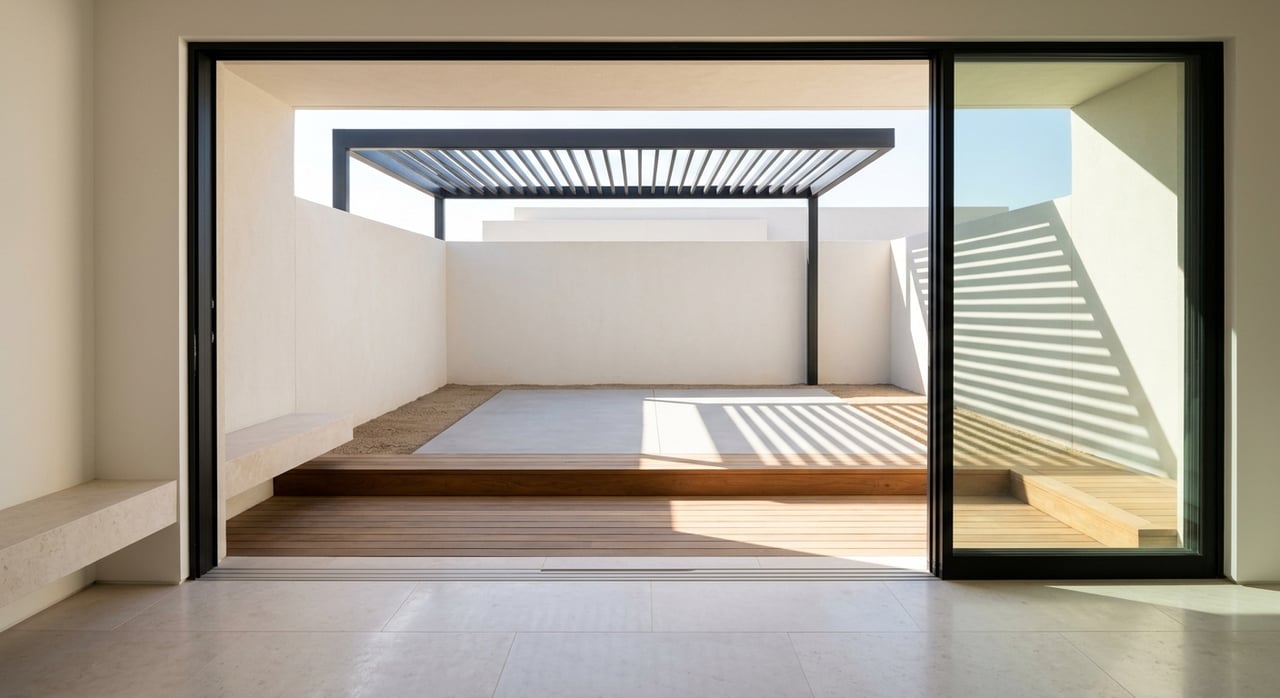
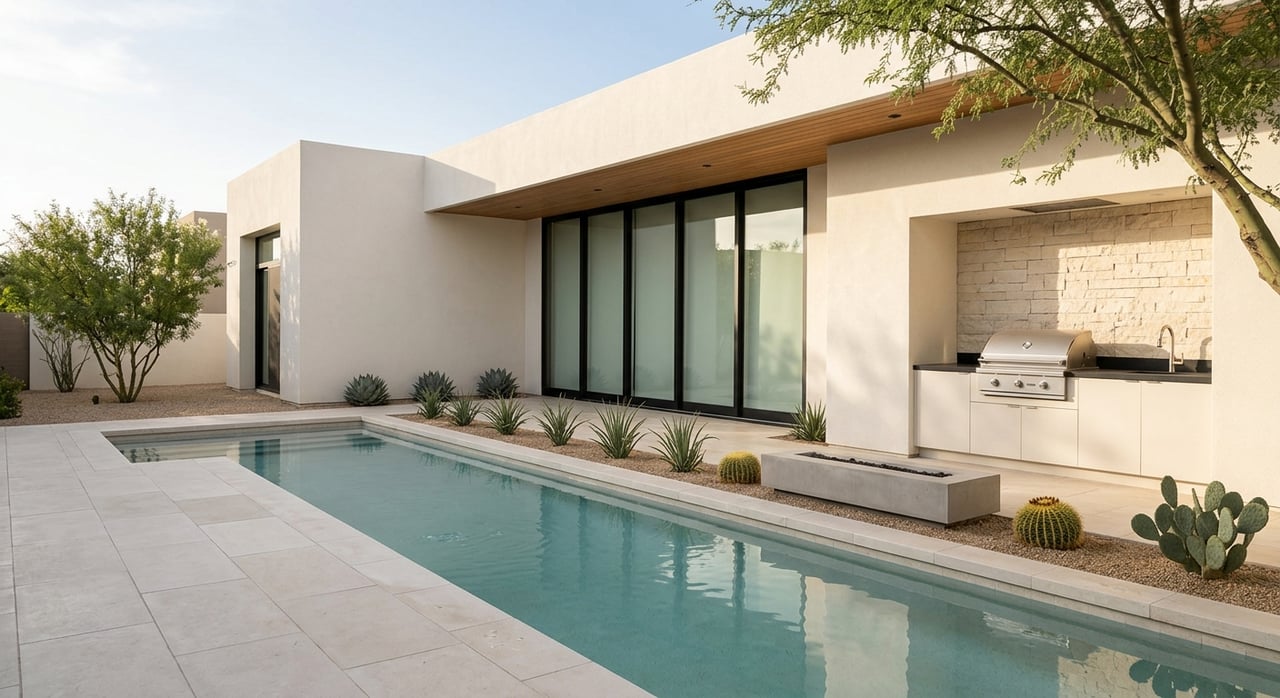
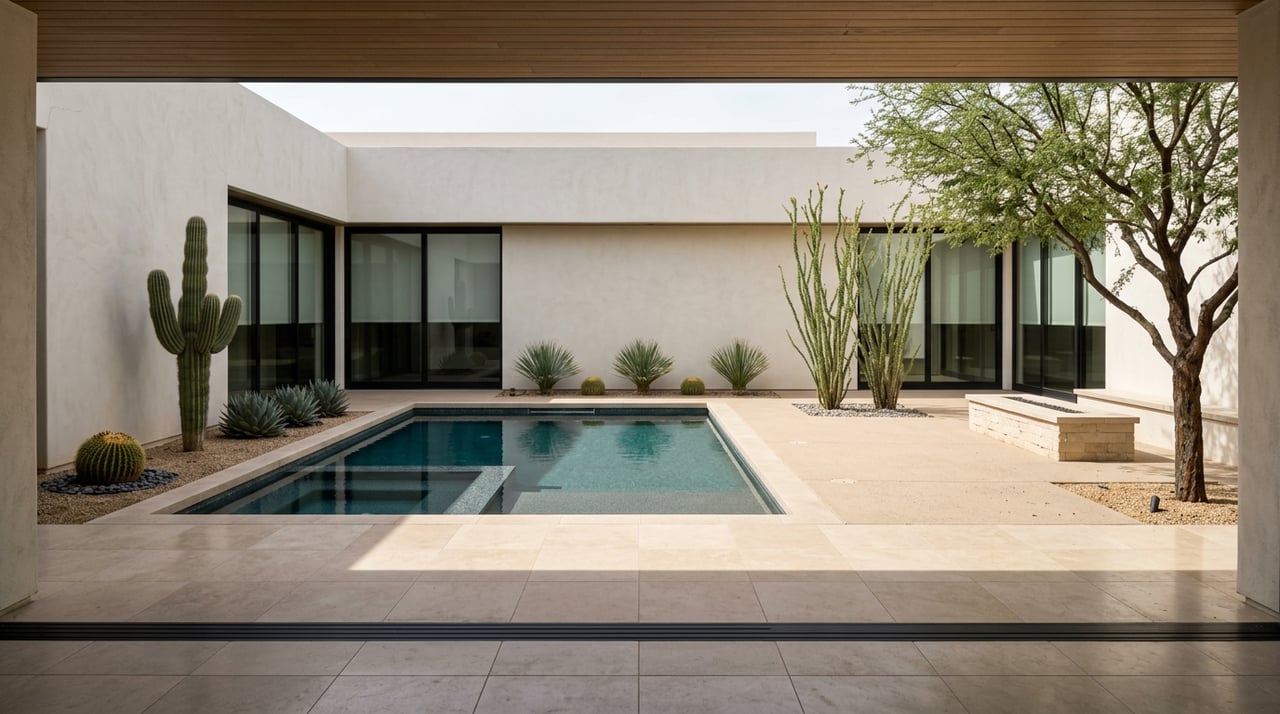
In a place like Sedona, outdoor living can do a lot of the wellness work. The city’s design guidance supports courtyards, patios, gardens, seating areas, and spaces with both sunny and shaded options.
For a luxury residence, those spaces can become part of your daily routine. A shaded terrace for morning coffee, a courtyard for quiet evenings, or a movement deck with open sky can all add function without feeling overdesigned.
The best outdoor wellness spaces usually do three things well:
This can be accomplished through covered patios, garden walls, pergolas, native planting, and carefully positioned seating areas. In Sedona, comfort often comes from subtle design moves rather than oversized amenities.
Water can still play a role in a wellness-oriented property, but it should be handled with restraint. Sedona’s land development code states that water features used for landscaping and amenities should recirculate water, and turf is limited to no more than 10% of landscape area in a project site except in limited situations.
That makes a strong case for controlled, intentional water elements. A recirculating fountain, plunge feature, or small soaking element may fit the setting better than a large water-intensive statement feature.
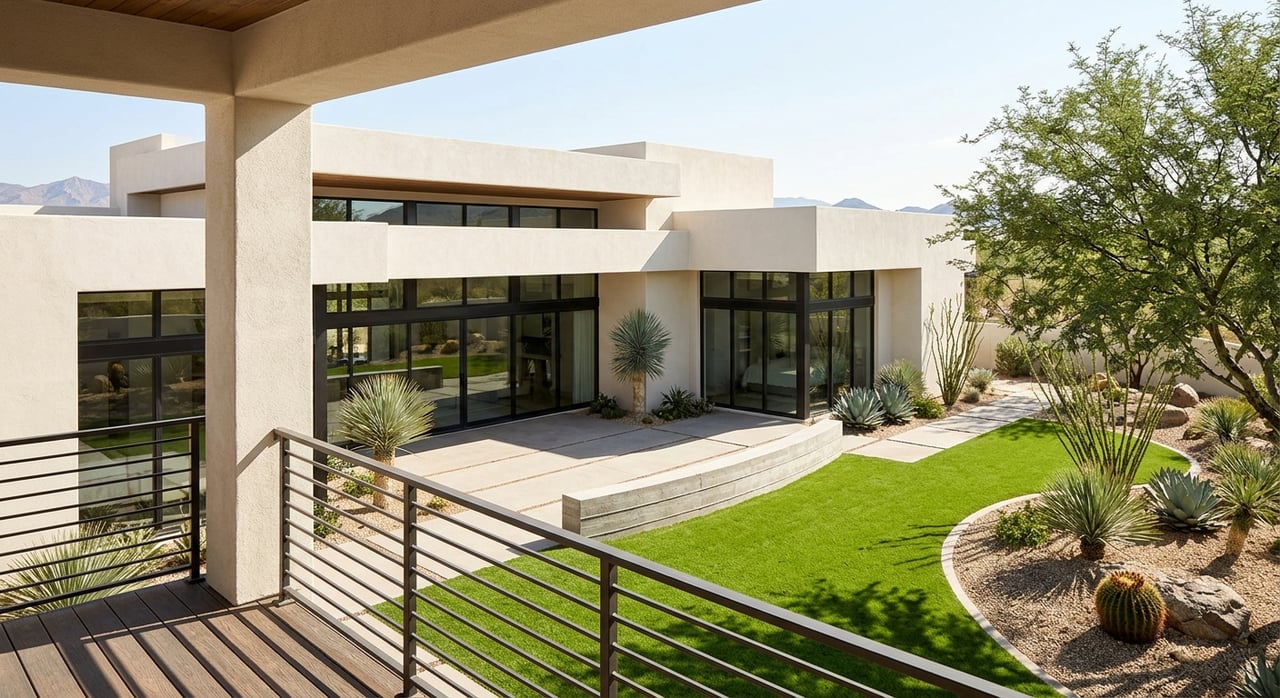
Landscape design carries a lot of weight in Sedona. City guidance states that native species are preferable because they are climate adapted, require limited water, and can reduce water consumption while supporting wildlife habitat.
For a luxury homeowner, that creates a useful framework. Wellness landscaping here is usually less about lush excess and more about comfort, texture, privacy, and long-term fit with the climate.
Sedona’s guidance for development sites also requires at least 50% native plants, with adaptive plants used for the remainder of the palette, according to the city’s landscape standards. Even when you are thinking at the luxury level, that is a strong reminder that beauty and climate alignment can work together.
In Sedona, wellness design is stronger when it also acknowledges real environmental conditions. That includes heat, wildfire awareness, and efficient home performance.
The city’s planning materials say wildfire risk reduction measures should be encouraged or required in design and construction. Sedona’s 2025 Firewise workshop materials also highlighted defensible space, recommended plants, and yard preparation.
If you want outdoor spaces that feel restorative, they also need to be manageable. That may mean selecting plantings with maintenance and spacing in mind, keeping areas around the home clear, and thinking through hardscape, circulation, and defensible space early in the design process.
The result is a property that feels calmer and more secure, not just more attractive. In Sedona, that balance matters.
Sedona also offers homeowners within city limits up to $5,000 in funding for home energy efficiency and weatherization services through its sustainability programs. Programs like that reinforce an important point for luxury buyers.
Efficiency upgrades are not only practical. They can support the quieter, more stable, more comfortable indoor environment that wellness-focused design is supposed to deliver.
If you are shopping for a wellness-focused luxury home in Sedona, it helps to evaluate the property as a whole system. Beautiful finishes matter, but they are only one piece of the experience.
Look for homes that combine the following:
The best Sedona homes often feel restorative because they are aligned with the place itself. That is what gives them staying power.
When you are considering luxury opportunities in Sedona, a wellness lens can help you identify homes that offer not just beauty, but genuine lifestyle fit. If you want guidance on finding a property that aligns design, setting, and long-term value, connect with Meagan Radigan.
Stay up to date on the latest real estate trends.
Partner with Meagan to navigate every step of your real estate journey, from determining the current property value to crafting a competitive offer. With expert guidance in writing and negotiating contracts, Meagan is here to ensure a smooth and successful experience for all your real estate needs.