How Phoenix Luxury Home Appraisals Determine Value
April 9, 2026
April 9, 2026
Wondering why one Phoenix luxury home commands a major premium while another with similar square footage sits longer or appraises lower? In the high-end market, value is rarely about size alone. If you are buying, selling, or pricing a luxury property in Phoenix, understanding how valuation works can help you make smarter decisions and avoid costly surprises. Let’s dive in.
In Phoenix, luxury homes are typically valued using the sales comparison approach. According to Fannie Mae’s appraisal guidance on comparable sales, appraisers analyze the subject market area, identify similar comparable sales, and report at least three closed comparables.
That matters because even in the luxury tier, value needs to be tied to what similar homes have actually sold for. The best comparables are often in the same neighborhood or immediate market area, though older sales may be used when inventory is limited if the appraiser explains the reasoning.
For Phoenix luxury homes, that can get complicated fast. Trophy properties often sit in small micro-markets where there are fewer directly comparable sales, especially for custom estates, view properties, and homes with highly specific features.
Closed sales are important, but they are not the only data point. Under Fannie Mae’s sales comparison standards, appraisers also analyze current listings and contract sales when forming an opinion of value.
This is especially relevant in the Phoenix luxury market, where active inventory can shape buyer expectations. If a seller wants to justify an ambitious asking price, the home still needs support from the broader market, including how similar high-end properties are positioned and whether buyers are actually moving on them.
That is why pricing a luxury home is both an art and a discipline. A beautiful presentation helps, but the number still needs market support.
Luxury homes do not move exactly like the broader Maricopa County market. In the ARMLS Q4 2025 housing summary, the countywide median sales price was $475,000, the average sales price was $631,307, there were 16,047 homes for sale, and the market had 3.3 months of supply.
By contrast, the mid-2025 Maricopa County luxury report treated homes priced above $1 million as the top 10% of the market. That report showed 2,368 active luxury listings, an overall luxury expected market time of 143 days, and 345 days for homes priced above $3 million.
In plain terms, the luxury segment behaves like a smaller, more selective market. There are fewer buyers, fewer true comparables, and more sensitivity around uniqueness, location, and presentation. That is one reason luxury pricing in Phoenix often requires more than a quick price-per-square-foot estimate.
One of the biggest mistakes in luxury real estate is assuming value can be measured mostly by size. In reality, Phoenix luxury valuation is usually driven by a mix of:
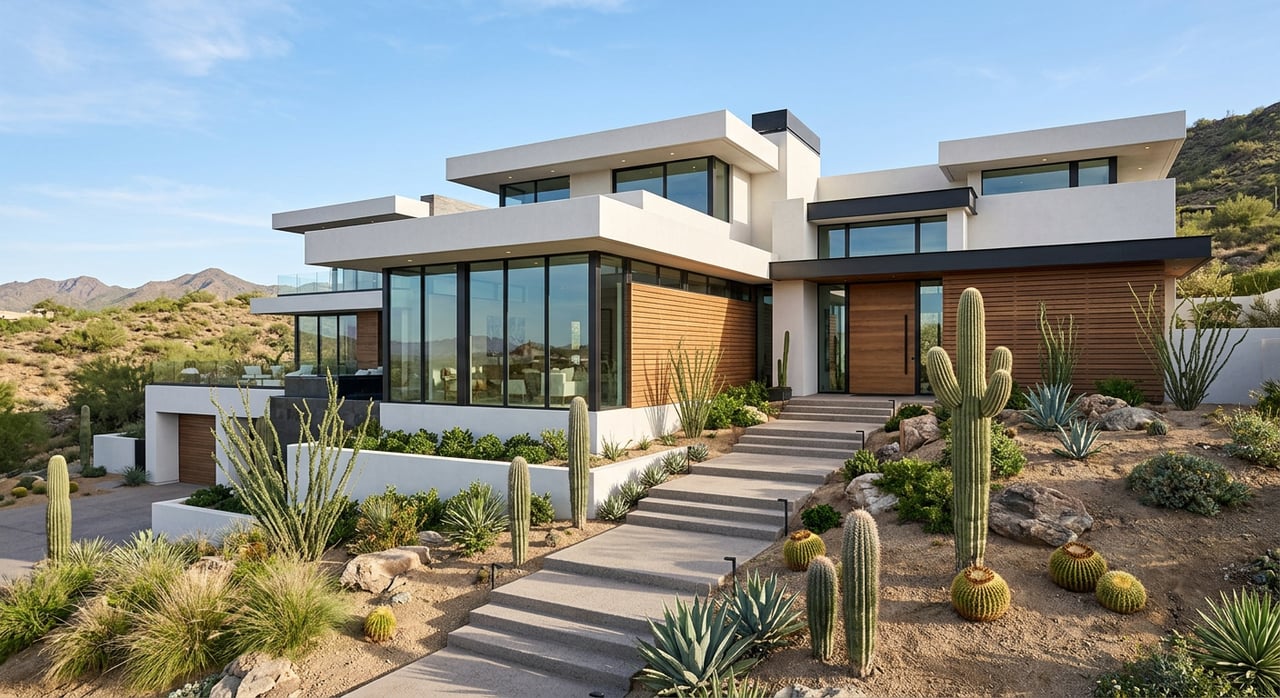
The takeaway is simple: two homes with similar square footage can have very different market values. In a place like Paradise Valley, Scottsdale, or North Scottsdale, the site itself can heavily influence pricing.
Views are one of the clearest examples of why luxury valuation is so site-specific. A peer-reviewed Appraisal Journal article on scenic views explains that premiums typically rise from no meaningful view to open-space views, then to golf-course views, and then to water views, with actual value depending on local market reaction and the quality of the view corridor.
That means not all views are equal. Two nearby homes can face different directions, sit at different elevations, or have different levels of privacy, and those differences can affect value in meaningful ways.
In the greater Phoenix luxury market, premium view lots are also finite. The City of Phoenix protects more than 41,000 acres of desert and mountain preserves, which helps preserve iconic natural settings, while areas like Paradise Valley have long-standing land patterns that support large residential lots. When a home combines strong architecture with a limited view-oriented setting, buyers may pay a premium if comparable sales support it.
Luxury buyers often invest heavily in renovations, design, and one-of-a-kind finishes. Those features can absolutely strengthen appeal, but they do not automatically translate into full dollar-for-dollar value.
According to Fannie Mae’s guidance on appraisal adjustments, differences in upgrades, condition, and quality must be supported by market evidence. In other words, the market decides what those features are worth, not just the construction invoice.
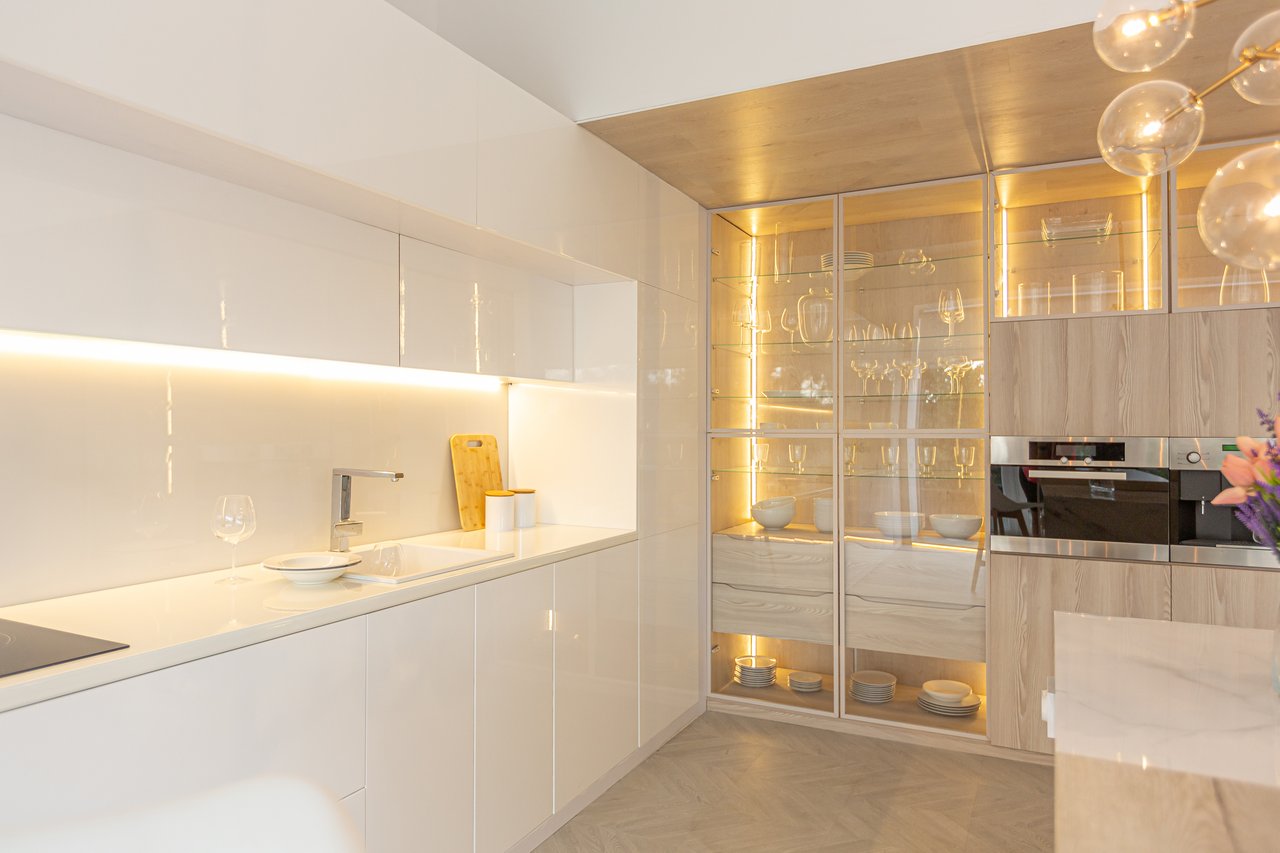
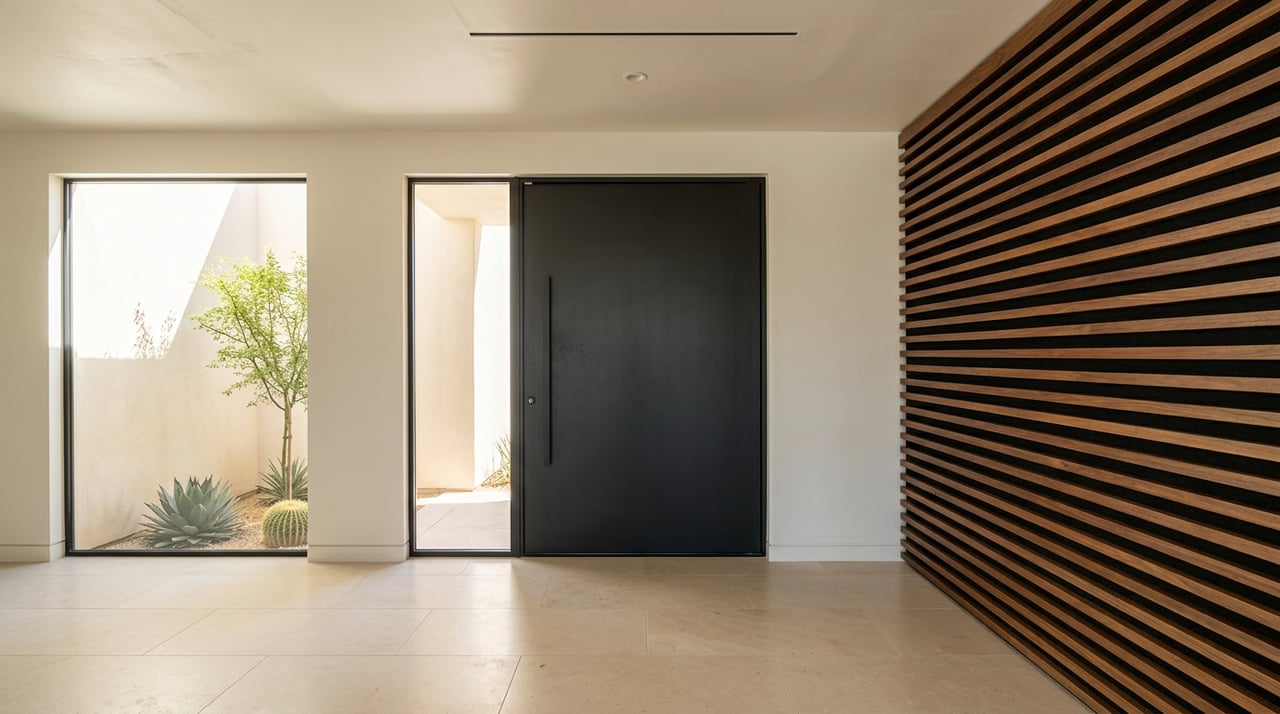
That is an important point if you are selling a custom or extensively renovated home. A bespoke wine room, imported stone, or high-design kitchen may enhance value, but the strongest case comes when similar buyers have already paid more for similar features in comparable properties.
Some Phoenix luxury properties are difficult to match. A newly built custom estate, a major renovation, or an architecturally distinct home may not have enough clean comparables nearby.
In those cases, Fannie Mae notes that the cost approach may be appropriate to support the sales comparison analysis. That does not replace the market. It simply gives additional context when a home is especially unique or hard to comp.
For buyers and sellers, this is why valuation at the top end often takes more interpretation. The more distinctive the property, the more important it becomes to build a pricing strategy around real evidence, not assumptions.
A luxury home can be beautifully marketed, strongly negotiated, and still appraise below contract price. When that happens, it usually means the appraiser did not find enough market support for the agreed number.
The Consumer Financial Protection Bureau explains that a lower appraisal is strong evidence that the sale price may be above market value. In the luxury space, this happens more often than many people expect because the pool of comparable sales is smaller and highly nuanced.
This is also why strategic pricing matters so much from the start. A high asking price can be justified, but only when the home’s lot, view, quality, and location are supported by recent comparable evidence.
There is no single luxury threshold that fits every submarket. Still, the ARMLS Maricopa County luxury report used $1 million and above as the top 10% of the county market.
That countywide benchmark is useful, but buyers and sellers should remember that luxury is often defined more narrowly in submarkets such as Paradise Valley, Scottsdale, and North Scottsdale. In these areas, pricing can be shaped by a very specific combination of architecture, lot quality, privacy, and lifestyle appeal.
If you are evaluating a luxury property in Phoenix, the strongest framework is this: value is a submarket exercise. Appraisers begin with comparable sales, then make market-based adjustments for differences in view, lot, quality, and condition.
From there, the key question becomes whether the asking price is supported by what similarly scarce homes have actually sold for. That is the real test in a market where standout homes are limited and buyers expect proof behind the number.
Whether you are preparing to sell a trophy property or assessing a purchase, a clear understanding of valuation can give you an edge. If you want discreet guidance on pricing, positioning, or accessing high-end opportunities across Paradise Valley, Scottsdale, and North Scottsdale, connect with Meagan Radigan.
Stay up to date on the latest real estate trends.
Partner with Meagan to navigate every step of your real estate journey, from determining the current property value to crafting a competitive offer. With expert guidance in writing and negotiating contracts, Meagan is here to ensure a smooth and successful experience for all your real estate needs.