Preparing to Sell Your Paradise Valley Luxury Home Discreetly
March 5, 2026
March 5, 2026
Privacy is part of the value of your Paradise Valley estate. If you prefer interest from serious buyers without a headline splash or open-house traffic, discreet, appointment-only showings can fit your goals. In this guide, you will learn a proven plan to protect your privacy, keep control over media and access, and still meet Arizona and ARMLS rules. You will also get checklists you can put to work right away. Let’s dive in.
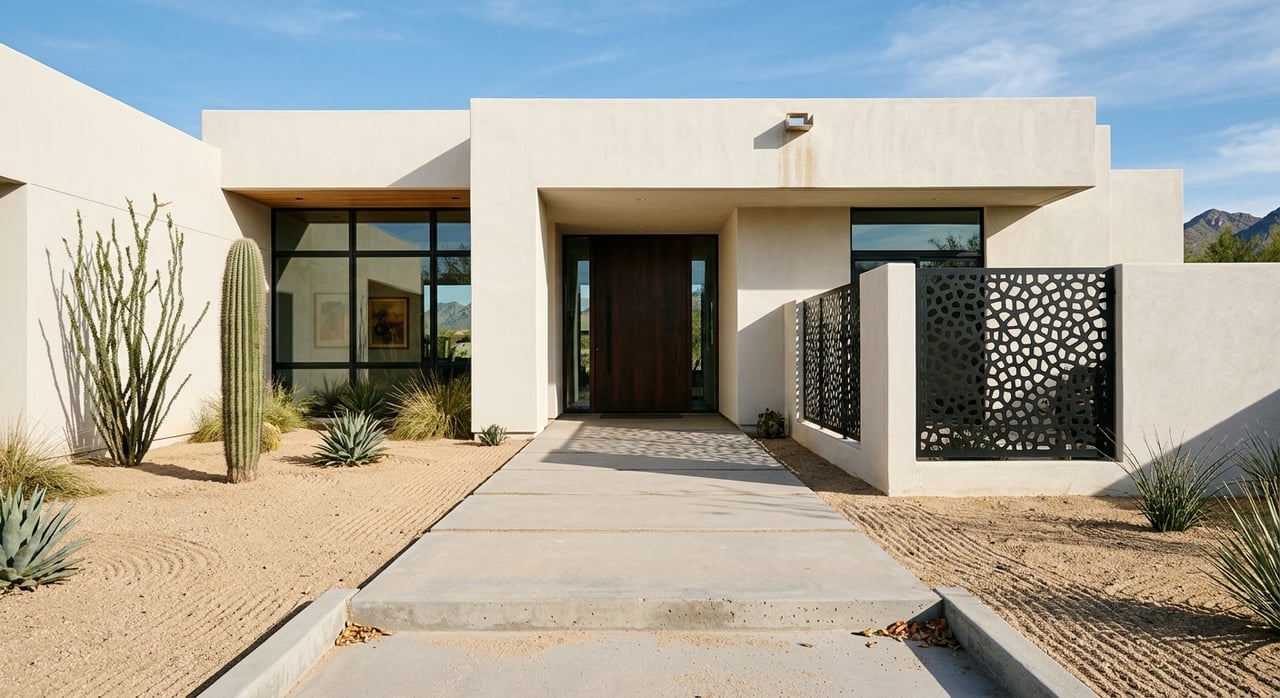
Paradise Valley is a small, resort-style town with limited inventory and a strong concentration of high-value estates. The town’s profile and low-density character support a market where privacy and presentation matter. You can confirm core community facts in the Town’s own overview of Basic Town Facts.
The area also produces trophy properties and occasional record sales that draw media attention. Sellers who want confidentiality often favor a private or staged pre-market approach to reduce noise and protect their timeline. Recent reporting on record-setting deals shows how easily a sale can attract coverage, as seen in the Wall Street Journal’s piece on the priciest Paradise Valley sale.
ARMLS follows the National Association of REALTORS Clear Cooperation policy, which requires MLS submission within one business day after any public marketing. Public marketing includes a yard sign, a public website post, or a broad social blast. To keep control, your options typically include:
Work with your agent to document instructions in writing and follow ARMLS Clear Cooperation guidance so your privacy plan and timing do not trigger unintended disclosures.
Discretion does not replace disclosure. Arizona sellers must disclose known material facts that could affect the property’s value. Most transactions use the Arizona REALTORS Seller’s Property Disclosure Statement (SPDS). Completing the SPDS early reduces risk and avoids surprises, which is why the association encourages sellers to disclose early and often. In limited cases involving certain rural or unincorporated parcels, an Affidavit of Disclosure may be required under A.R.S. §33‑422. Your agent will confirm what applies to your property.
Create a two-tier media plan that controls what goes public and what you share only with qualified buyers:
This approach generates interest while limiting what circulates beyond your control.
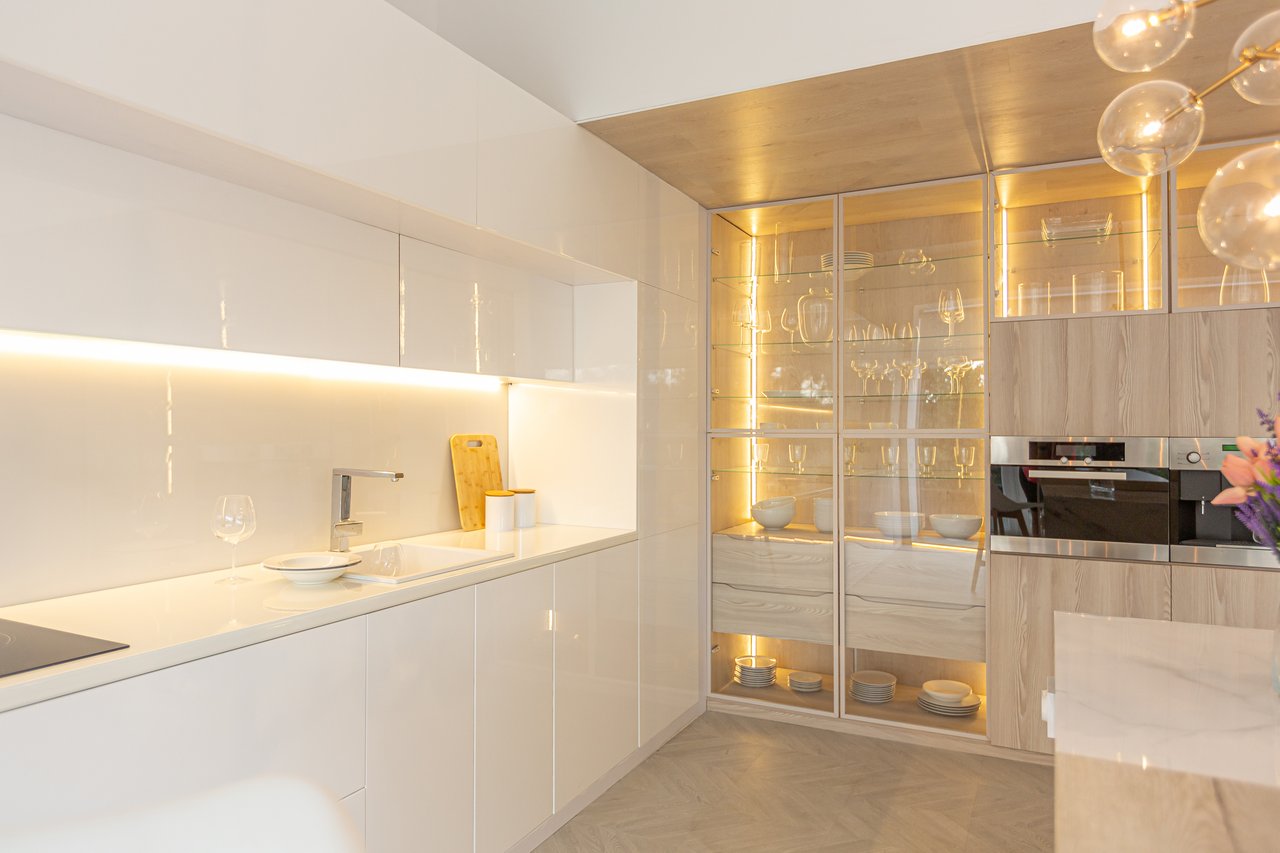
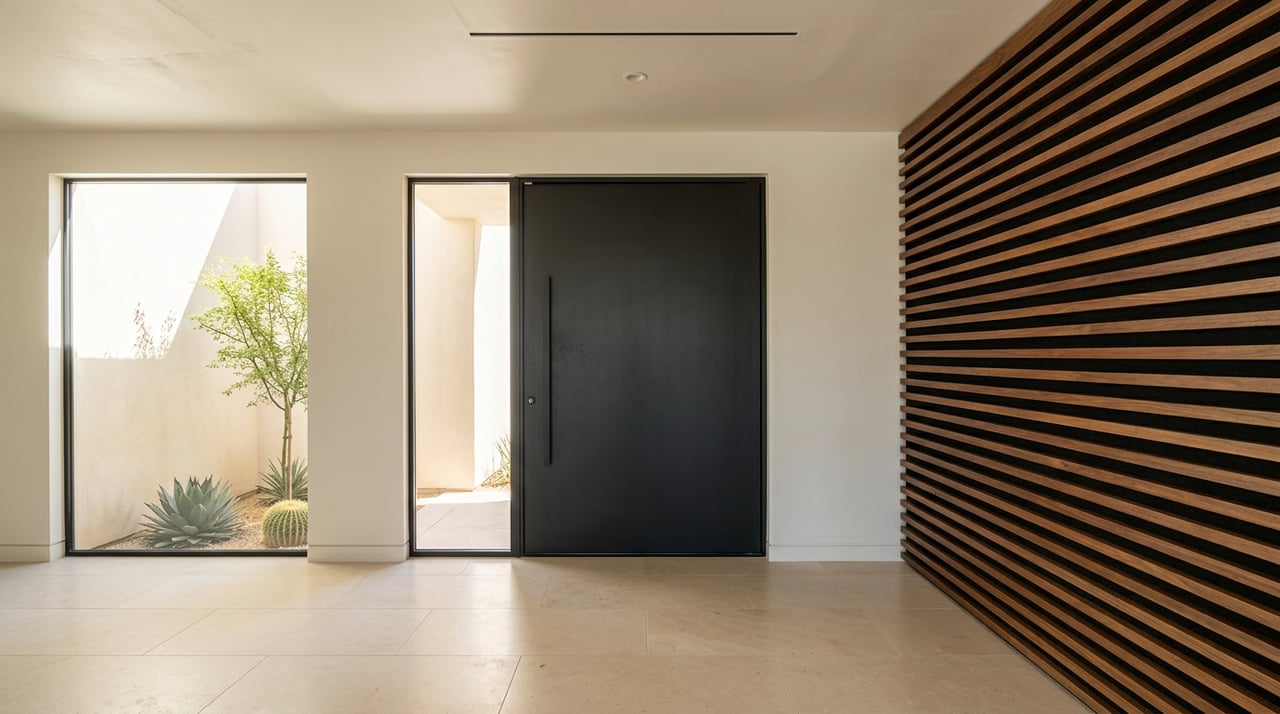
Staging for appointment-only showings should showcase architectural lines, light, and flow while removing identifiers. Pack away family photos, monogrammed items, visible mail, and any art that could disclose provenance or location clues. A clean, minimal presentation reads as luxury and keeps attention on the property rather than your personal life.
Before any marketing or showings, secure small valuables and private documents. Best practices include locking firearms, storing jewelry and cash in a safe or off site, securing medications, and creating an independent inventory for high-value items that will remain in place. A simple, repeatable checklist helps prevent small oversights and increases peace of mind. See a practical playbook of showing safeguards in this showing management guide.
Give your house manager, grounds crew, and vendors one point of contact and a written schedule for permitted showings. Ask them to avoid social media posts that reveal interiors, equipment, or timing. When appropriate, include vendors in a basic confidentiality protocol so everyone rows in the same direction.
For ultra-high-value estates or sensitive tours, have the listing agent present and consider an escort or on-site security. Decide on costs, scope, and rules in advance, and include them in your showing instructions.
Before releasing the exact address or scheduling an interior tour, ask for verifiable proof of funds for cash offers or a lender pre-approval for financed buyers. This keeps the focus on qualified prospects and protects your time and privacy. Many listing teams confirm proof with issuing institutions or the lender.
For high-profile estates, it is common to use a short-form NDA before releasing the full media kit, floor plans, or detailed utility and systems information. Store and share sensitive documents in a virtual data room that supports granular permissions, watermarking, and access logs. Tools like VDR platforms with audit trails help you track who has seen what and for how long.
For cross-border or large cash buyers, consider basic KYC or sanctions screening, and involve counsel for complex scenarios. Quiet deal workflows often include this step to reduce risk. You can learn how identity checks factor into private sales from this overview of quiet-deal sourcing and screening.
Set defined showing windows and require all attendees to be pre-booked and confirmed. For luxury properties, agent-present showings are common and allow better control of photography and movement through the home. Clear rules build confidence and keep the process smooth.
Use a professional scheduling service and confirm appointments in writing. Avoid unattended lockboxes for sensitive properties. If you prefer a smart lock, issue a single-use code that expires after the visit. Record who attended, the time in and out, and the agent of record. You will find practical steps for safe access and recordkeeping in this showing protocol resource.
Set a no-photos policy during showings unless you approve it in advance. Gate any 3D tours behind authentication and provide access only after vetting. These controls keep your home’s layout from circulating in public channels.
Photos taken on phones and many cameras often include GPS coordinates and other metadata. Remove or hide that data before any sharing, public or private. Apple provides clear steps for removing location metadata before sharing. Most cameras and social platforms include similar controls.
Watermark any photos or PDFs you send to vetted buyers and host the full media set on a password-protected microsite or within your VDR. This preserves a clean public teaser while allowing serious prospects to review details securely.
Use this staged checklist to prepare and run discreet, appointment-only showings in Paradise Valley.
A privacy-first sale still requires precision. A qualified local agent will navigate ARMLS rules, document your instructions correctly, and run a secure workflow from NDAs and proof-of-funds verification to escorted showings and digital safeguards. The goal is simple: protect your privacy while reaching the right buyers.
If you want the control of a quiet process without sacrificing value, partner with a boutique team that blends concierge service with global reach. Meagan Radigan delivers founder-led representation inside Walt Danley Local Luxury | Christie’s International Real Estate, with curated access to private and off-market inventory, gated digital marketing flows, and a trusted network of qualified buyers. Get Access to Private Listings.
Stay up to date on the latest real estate trends.
Partner with Meagan to navigate every step of your real estate journey, from determining the current property value to crafting a competitive offer. With expert guidance in writing and negotiating contracts, Meagan is here to ensure a smooth and successful experience for all your real estate needs.