Relocating to Sedona: A Luxury Buyer’s Checklist
January 8, 2026
January 8, 2026
Thinking about trading city lights for red-rock sunsets? If Sedona is calling, you are not alone. High-end buyers choose this landscape for its privacy, dramatic views, and access to world-class outdoor living. This guide gives you a clear, practical checklist tailored to Sedona’s Yavapai County side so you can move with confidence and protect your investment. Let’s dive in.
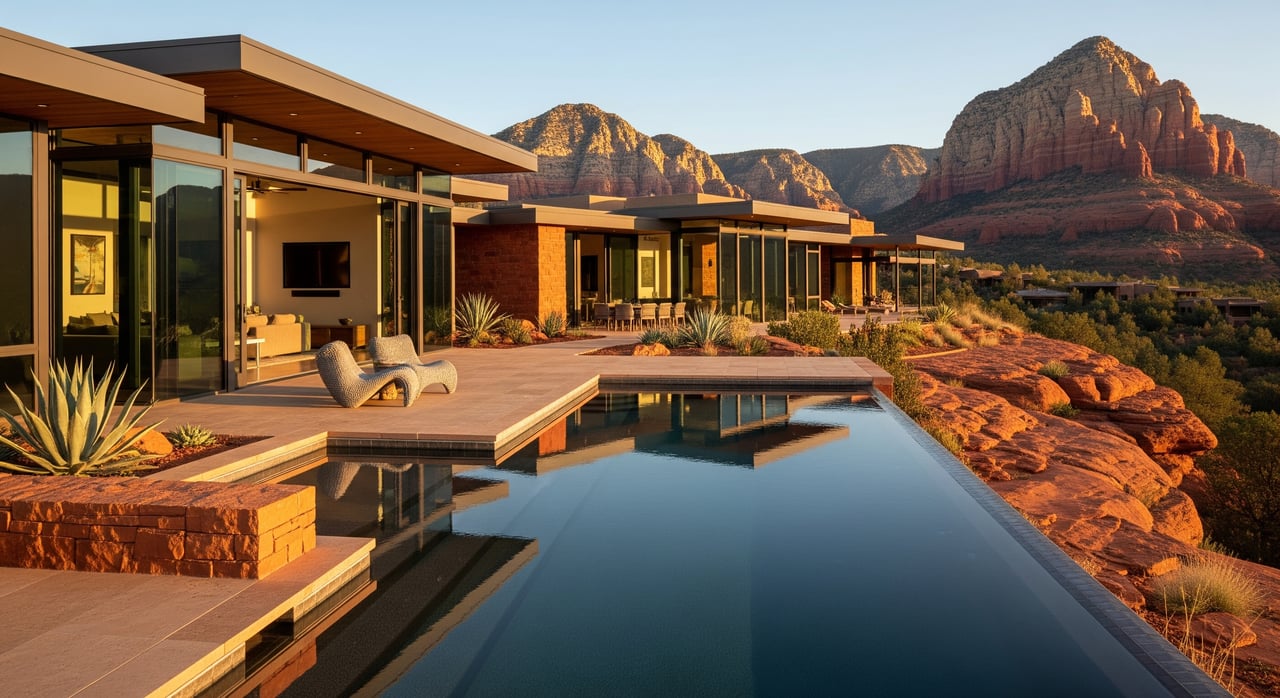
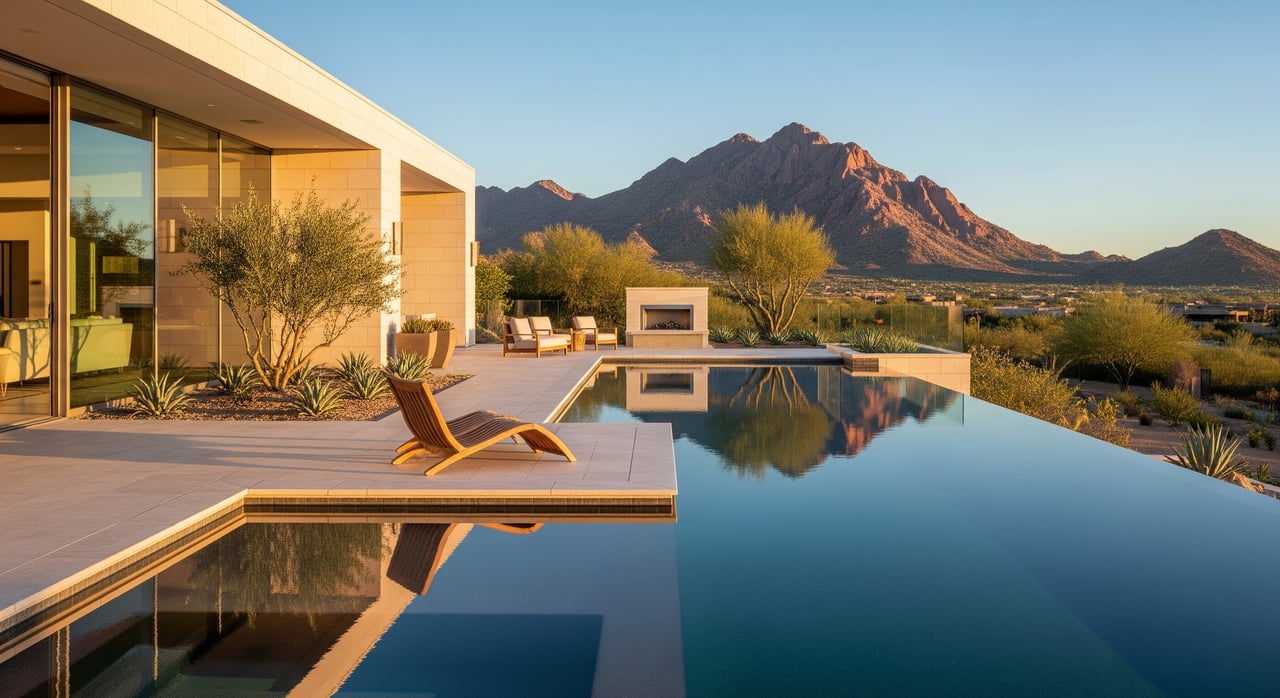
Sedona is a small, highly seasonal market where true luxury hinges on a blend of features: unobstructed red-rock views, privacy and acreage, custom architecture, and resort-quality amenities. Inventory is limited, and properties can sit longer than metro homes, yet attract strong all-cash interest when the fit is right. Price thresholds for luxury often begin in the 1 to 2 million range and scale with view quality, lot size, and design. Because supply shifts with the seasons, it helps to scan options well ahead of your target move timeline.
Sedona spans two counties. Many permitting, tax, and service details depend on which side of the county line your property sits. If you are focusing on West Sedona and the Village of Oak Creek, you are generally in Yavapai County or nearby unincorporated areas. Always verify the county for the parcel and confirm which planning department governs zoning, design review, and building permits.
You will find the highest concentration of galleries, shops, and dining here. It is attractive if you want walkable amenities. Larger private parcels are less common, so you often trade acreage for convenience.
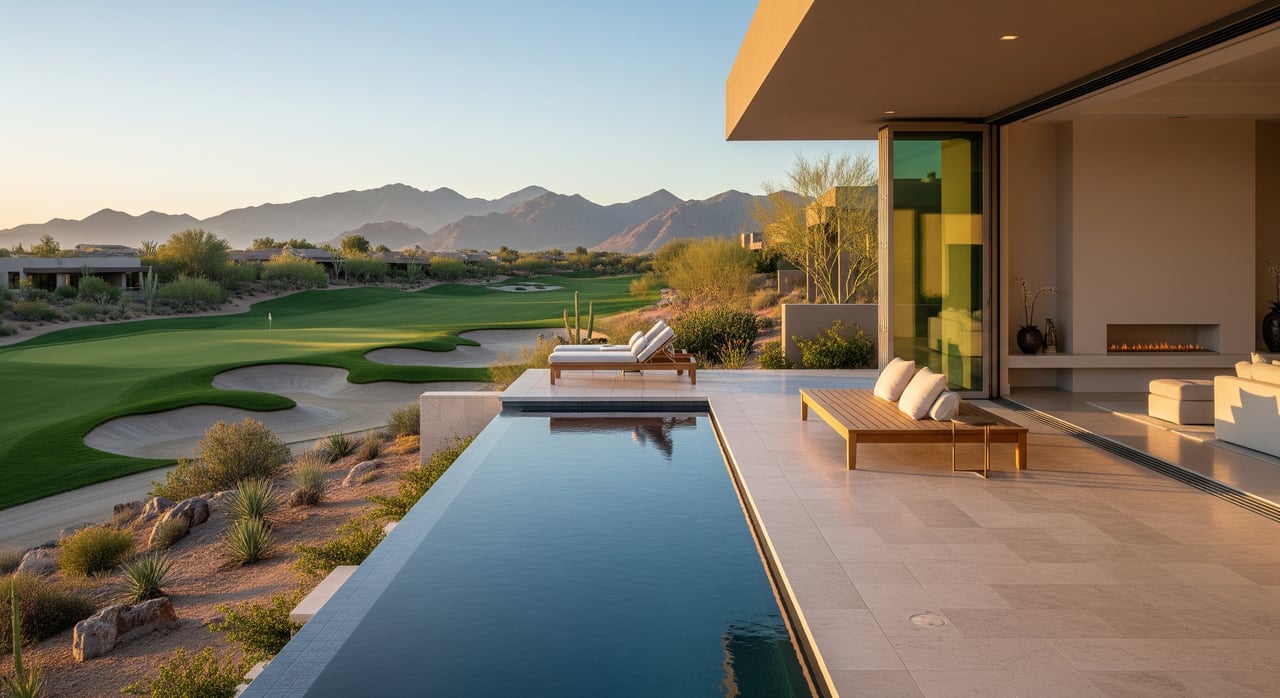
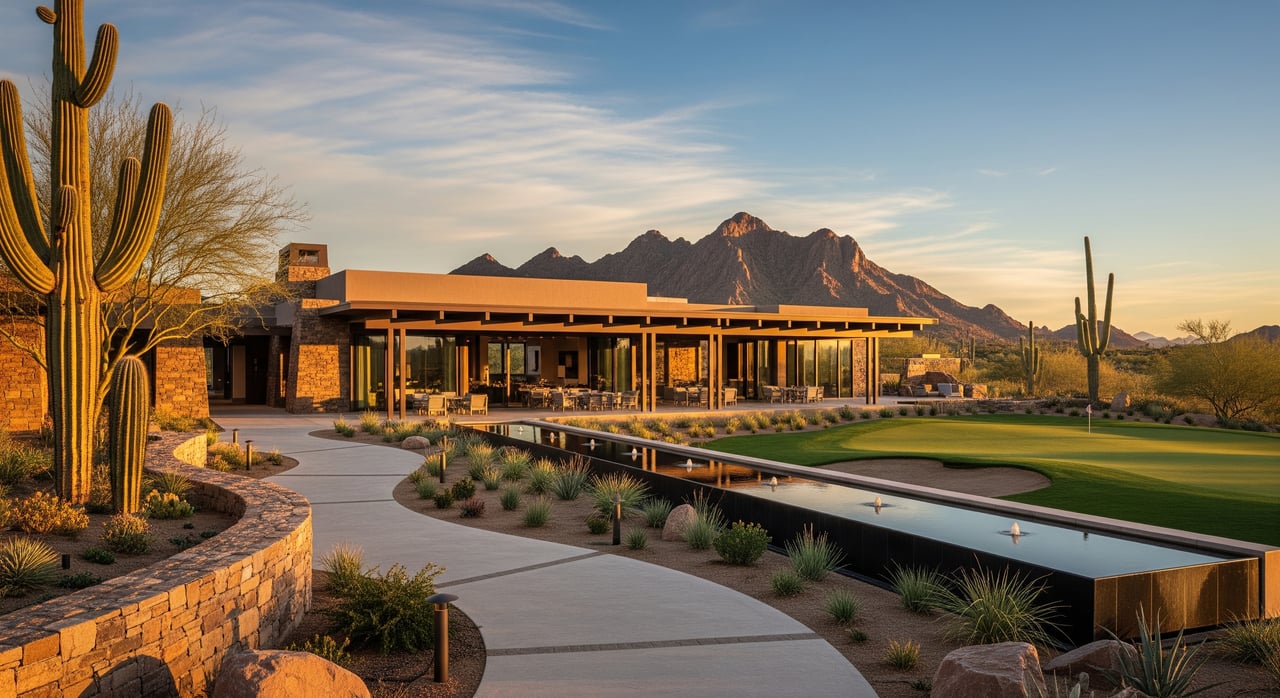
On the south and west side, the Village of Oak Creek offers golf and resort-adjacent properties, larger lots, and a broader choice of acreage. Many buyers see favorable price per acre compared with Uptown while keeping easy access to trailheads.
West Sedona puts you close to daily services and highway access that works well for Phoenix commuters using the home as a second residence. Housing is a mix of standard homes and select luxury, including some gated options.
This pocket is known for premium views and privacy. Luxury homes sit near high-end resorts and protected lands, which helps preserve the scenic backdrop that draws many buyers to Sedona.
If you prioritize acreage and privacy with reasonable access to Sedona, consider nearby Cornville, Cottonwood, or Clarkdale. These areas offer larger estates and lower density while keeping you within a comfortable drive of Sedona amenities.
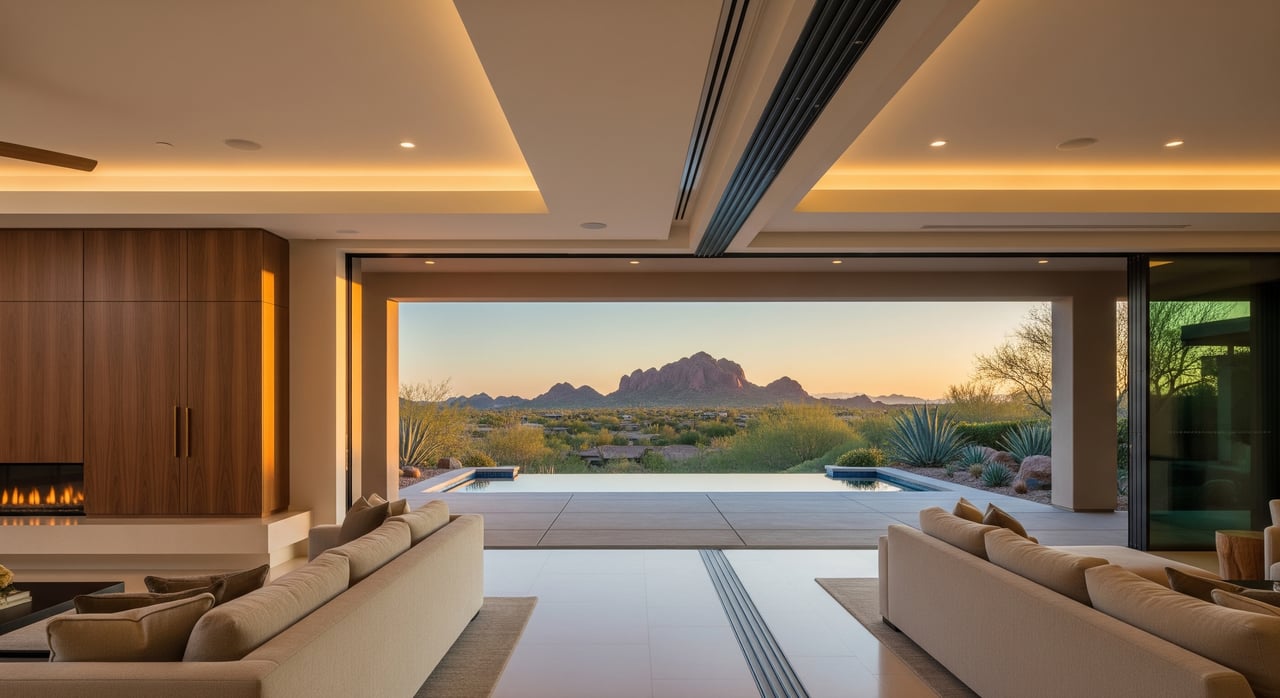
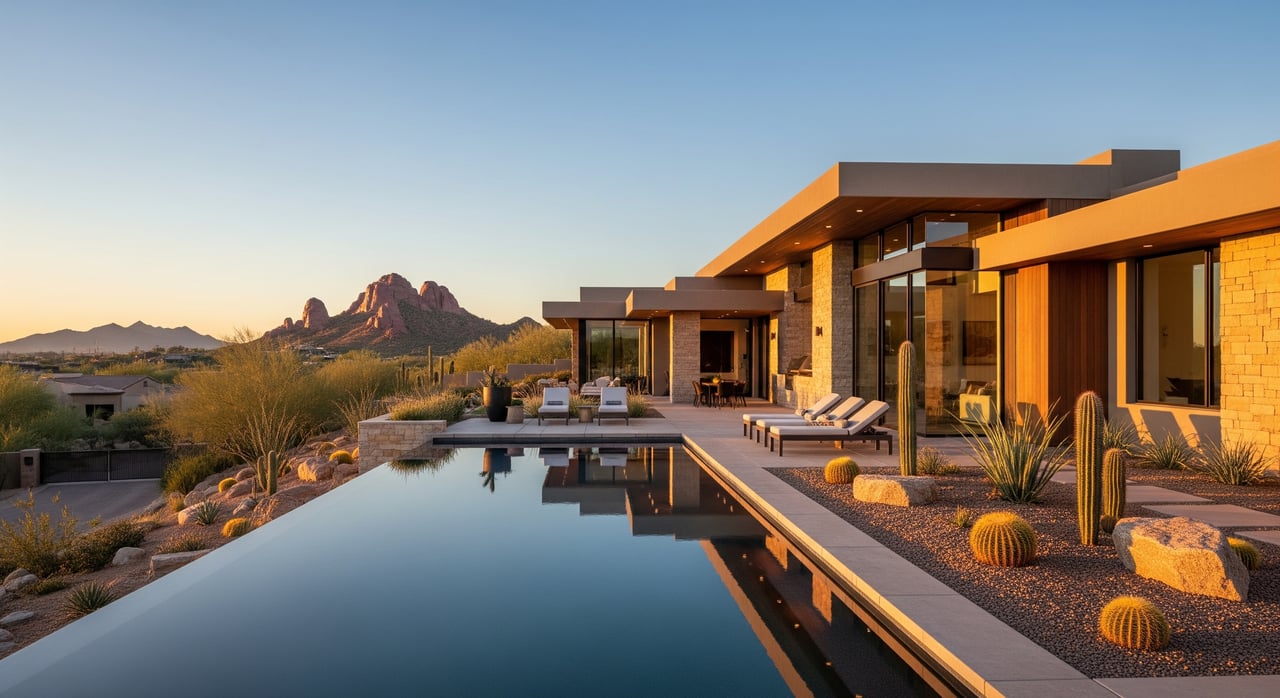
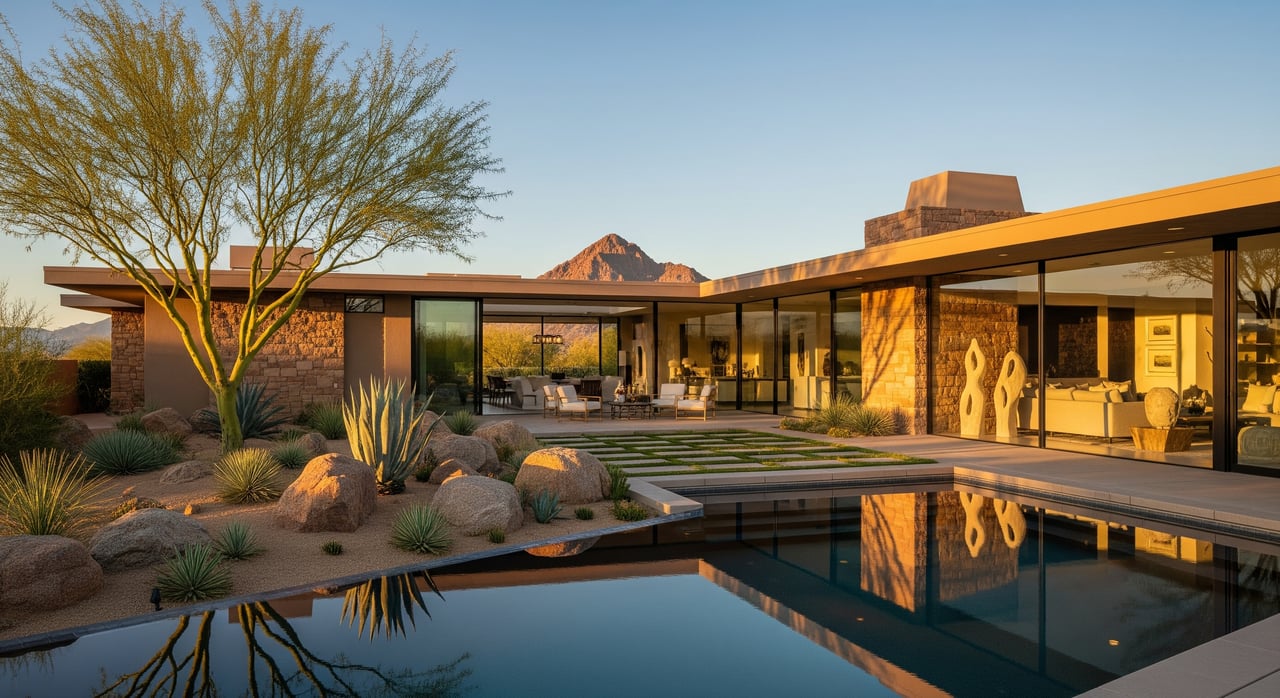
Common luxury choices include custom hillside homes that frame red-rock vistas, ranch-style estates on larger parcels, architecturally notable Southwestern or contemporary builds, and a small number of luxury condos or townhomes in resort settings. You will likely value features such as guest houses or studios, high-quality access roads and gated entries, and outdoor living areas that function year-round.
Top features high-end buyers prioritize:
Premium red-rock views and short distances to Uptown or the Chapel area often command higher prices. If you plan to build or renovate on rock or steep terrain, expect additional costs for site preparation, soils and geological work, and retaining structures. Long-term care for desert landscaping, specialized irrigation, and pool systems can also add to annual upkeep.
Before you write an offer, align your due diligence with local frameworks. Inside city limits, the City of Sedona manages planning, zoning, and building permits. In unincorporated areas, Yavapai County governs land use, building, and septic oversight. For private wells, the Arizona Department of Water Resources handles well registration and groundwater rules, while Yavapai County Environmental Health oversees septic permits and inspections. Always review federal flood maps to understand any floodplain exposure.
Key risks to evaluate:
Wildfire exposure can affect insurance availability and pricing. Many insurers will require mitigation such as defensible space and ember-resistant features. Lenders may ask for additional inspections or specialized appraisals for unique sites, private-road access, or properties on steep terrain. If the home sits in a mapped flood zone, flood insurance may be mandatory for financed purchases.
Sedona appeals to buyers who value recreation, art, and boutique hospitality over dense urban amenities. You can hike and ride world-class trails, visit galleries, and enjoy resort-level spas and dining. Healthcare includes local clinics and urgent care, with major hospitals located in Flagstaff and the Phoenix metro area. If proximity to specialty medical services matters, factor drive times into your location choice.
Sedona is car-dependent. The closest regional airport with limited commercial service is in Flagstaff. Phoenix Sky Harbor International is the primary hub about two hours away by car, and Sedona Airport supports general aviation. If you travel often, consider properties with convenient access to main roads and Interstate 17.
For second-home ownership, you will likely rely on a trusted local network. This includes architects and custom builders familiar with rock sites, landscape designers experienced in water conservation, property managers, private security, and concierge services.
Use this streamlined list as your roadmap:
Designing into rock and slope can be spectacular when done right. Start with a feasibility review by a local architect and builder who understand hillside rules and view protections. Meet early with the planning department to clarify height, lighting, and design review expectations. Build timelines and budgets should reflect soils and geotechnical requirements, potential cultural resource surveys, and wildfire mitigation measures.
You deserve a discreet, high-touch process that matches the caliber of the properties you are considering. The Radigan Group pairs curated access to luxury and private inventory with a concierge model built for clients who value privacy, design excellence, and lifestyle fit. You get guidance on micro-markets, introductions to trusted architects and builders, and a purchase plan aligned with Sedona’s permitting and environmental realities.
Whether you are securing a view-driven estate in West Sedona, seeking acreage in the Village of Oak Creek, or exploring the Verde Valley fringes, we help you align the right home with the way you live.
If Sedona is on your horizon, let’s map your search, identify off-market opportunities, and streamline due diligence before you fly out. Connect with Meagan Radigan to get access to private listings and a tailored plan for your move.
Stay up to date on the latest real estate trends.

Partner with Meagan to navigate every step of your real estate journey, from determining the current property value to crafting a competitive offer. With expert guidance in writing and negotiating contracts, Meagan is here to ensure a smooth and successful experience for all your real estate needs.