A Closer Look at Paradise Valley Luxury Home Styles
February 5, 2026
February 5, 2026
Is your perfect Paradise Valley home a quiet courtyard estate or a glass-walled perch over the city lights? When you shop here, you’re not just choosing a style. You’re choosing a lifestyle shaped by views, lot type, sun exposure, and how you plan to live and entertain. In this guide, you’ll get a clear tour of the town’s signature luxury home styles and how each performs on real lots with real daily rhythms. You’ll also learn practical steps to protect value whether you’re buying or preparing to sell. Let’s dive in.
Paradise Valley is a low-density, estate-focused town between Phoenix and Scottsdale. You see large lots, privacy, and architecture that leans into the desert setting with Camelback and Mummy Mountain as constant backdrops. Many properties are custom builds, and indoor–outdoor living is a baseline expectation.
The town also prioritizes scenic preservation and regulates lot coverage, building height, setbacks, and drainage. Those rules, together with topography and view corridors, help explain why you see certain styles flourishing on certain parcels. If you are evaluating a property, plan to confirm site-specific rules with the Town of Paradise Valley’s planning and building services.
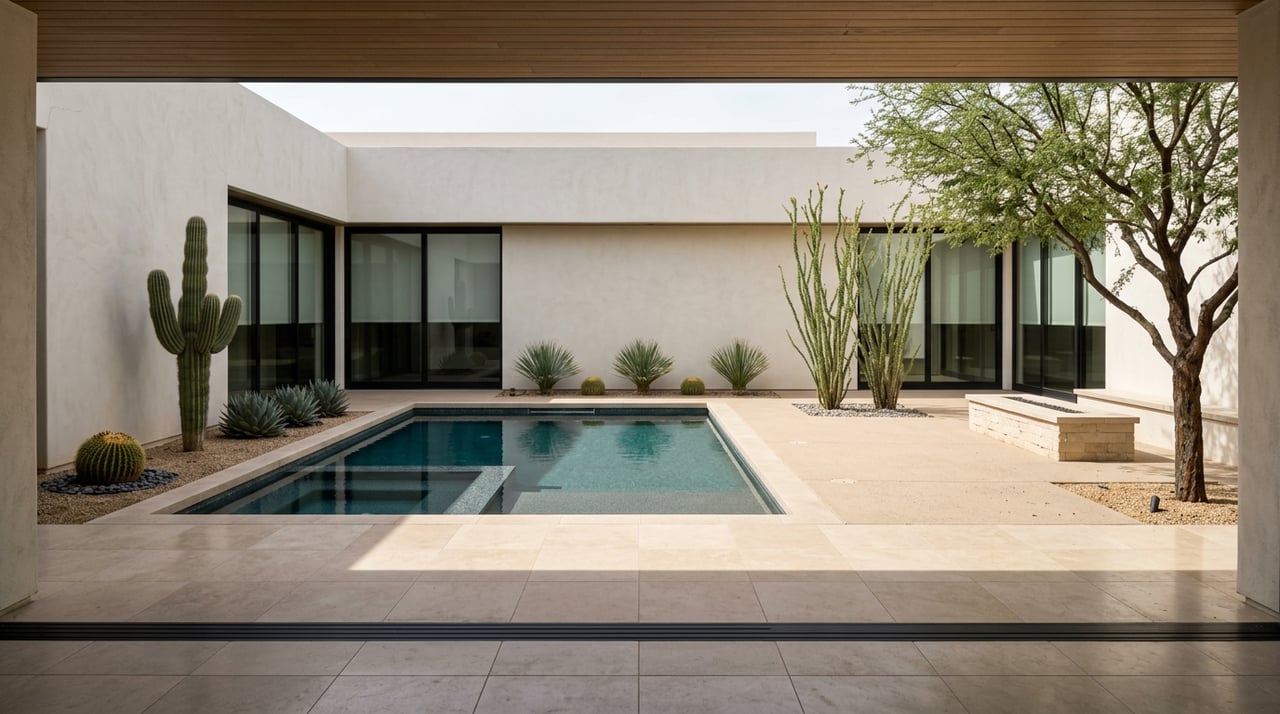
Look and feel: Stucco walls, clay tile roofs, arched openings, and loggias set a warm, classic tone. You often find exposed beams, stone accents, textured plaster, and mature, drought-tolerant landscaping. Courtyards and internal patios create intimate outdoor rooms.
Lot fit: These homes shine on flat to gently sloped parcels that can accommodate generous motor courts, guest casitas, and layered gardens. Deep lots allow privacy and a calm sense of arrival.
Indoor–outdoor experience: Central courtyards and arcaded walkways invite shaded living all day. Deep overhangs reduce direct sun while covered patios extend entertaining space.
Who loves it: You value a timeless aesthetic and private outdoor rooms. You host often, welcome long-stay guests, and want visual calm more than drama.
Value drivers: Quality stone and hand-finished details, courtyards that truly function, established landscape, and a seamless flow between interior and exterior.
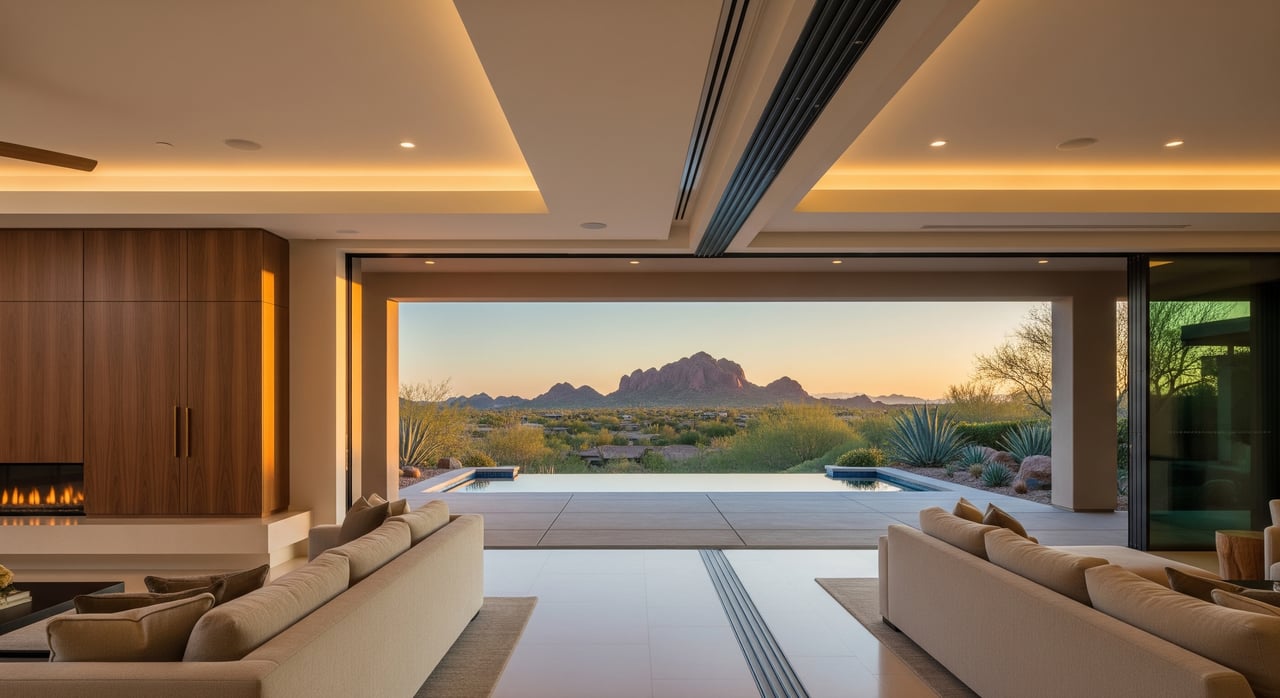
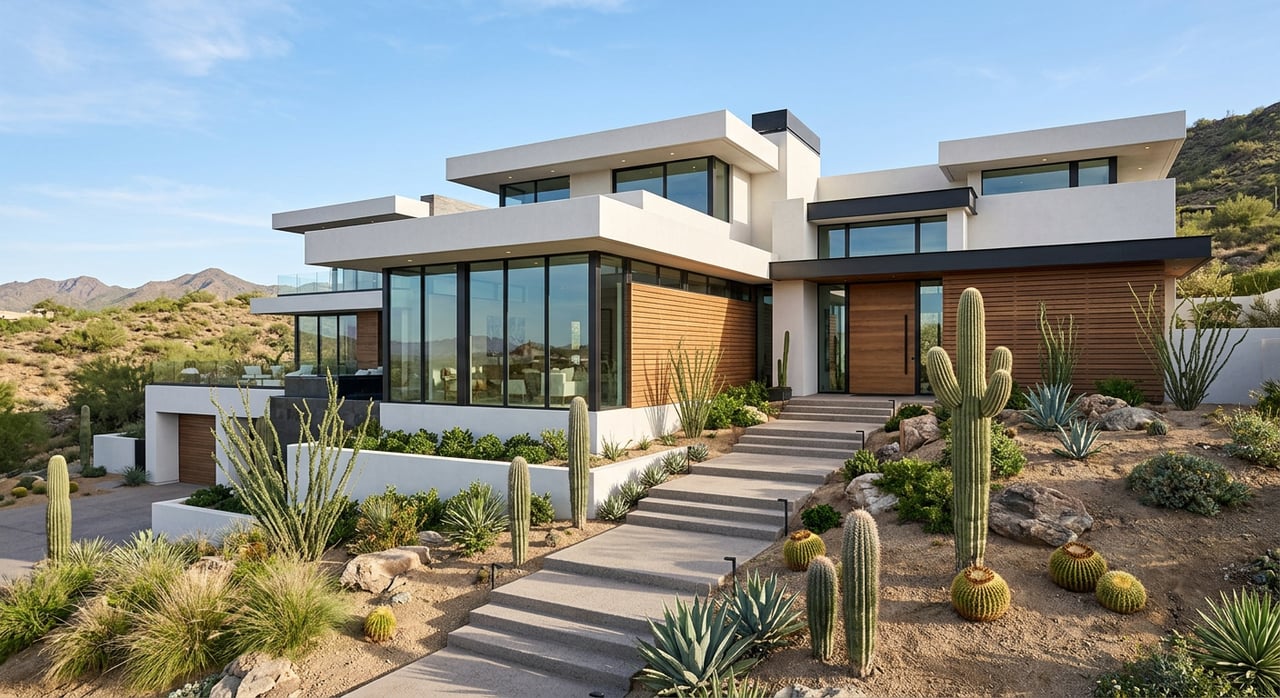
Look and feel: Clean lines, strong horizontal forms, and expansive walls of glass. You’ll see low-slope or flat roofs, open plans, natural stone or concrete floors, and steel or wood accents. Many include cantilevers, large terraces, and infinity-edge pools that pull your eye to the view.
Lot fit: Ridgeline and hillside parcels are the natural match. Architecture steps into the slope to capture vantage points, which often requires engineered foundations, retaining walls, and careful drainage.
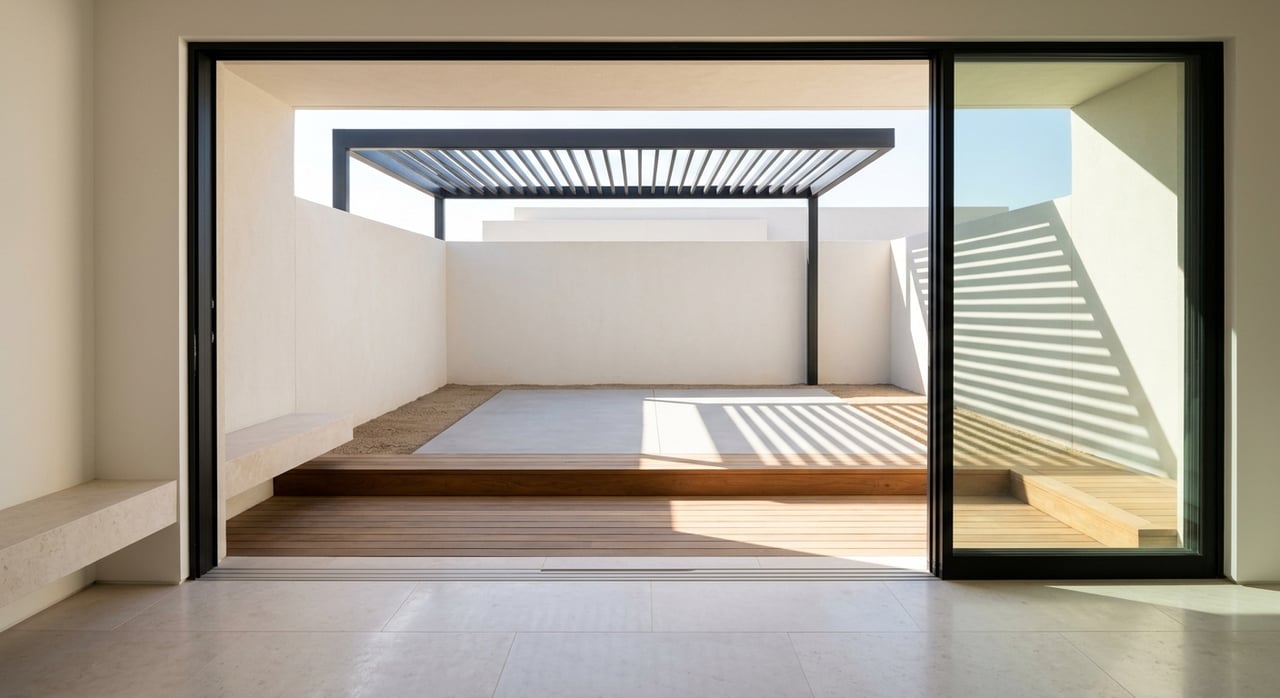
Indoor–outdoor experience: Folding or sliding glass systems erase boundaries. Terraces and pool decks orient toward mountain silhouettes, valley panoramas, or city skylines.
Who loves it: You prioritize views, contemporary aesthetics, and dramatic entertaining spaces. Many buyers use these homes as primary or secondary executive retreats.
Value drivers: The orientation to the best available view, quality glazing and shading for comfort, structural solutions that handle the slope cleanly, and the design of terraces and pools.
Look and feel: Low, horizontal massing, simple open plans, exposed beams, and clerestory windows that bring light without heat gain. Many are single level and sit gently in the landscape.
Lot fit: Flat or lightly sloped parcels in established pockets often with mature trees and understated gardens.
Indoor–outdoor experience: Direct, functional connections to patios, pools, and lawn areas. Privacy from neighbors is often carefully considered.
Who loves it: You want a timeless look and easy single-level living. Entertaining flows outside without fuss, and aging in place can be simpler with minimal stairs.
Value drivers: Authentic architectural details, system updates that respect the style, and proximity to favored view corridors or nearby clubs.
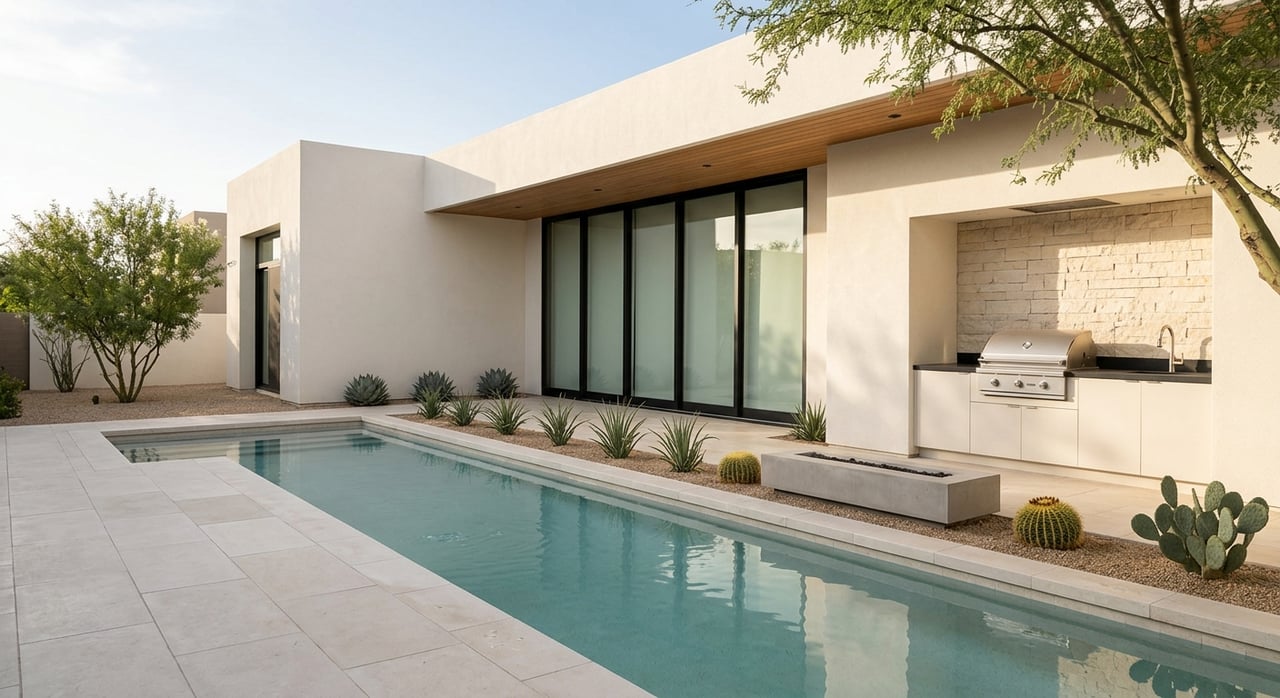
Look and feel: Think private resort. Multiple pavilions or casitas, cabanas, outdoor kitchens, fountains, and structured landscape rooms. Motor courts and guest quarters support larger gatherings.
Lot fit: Larger acreage or double lots are best, whether flat or gently terraced. Space matters because outdoor amenities need zones to breathe.
Indoor–outdoor experience: Multiple amenity areas are oriented to sun and view. Family, friends, and multigenerational living work well with separate suites and guest spaces.
Who loves it: You host at scale and want a setting that covers every hour from poolside brunch to evening around the fire features.
Value drivers: Number and quality of guest suites, the scale and design of pool and outdoor infrastructure, privacy screening, and parking or garage capacity.
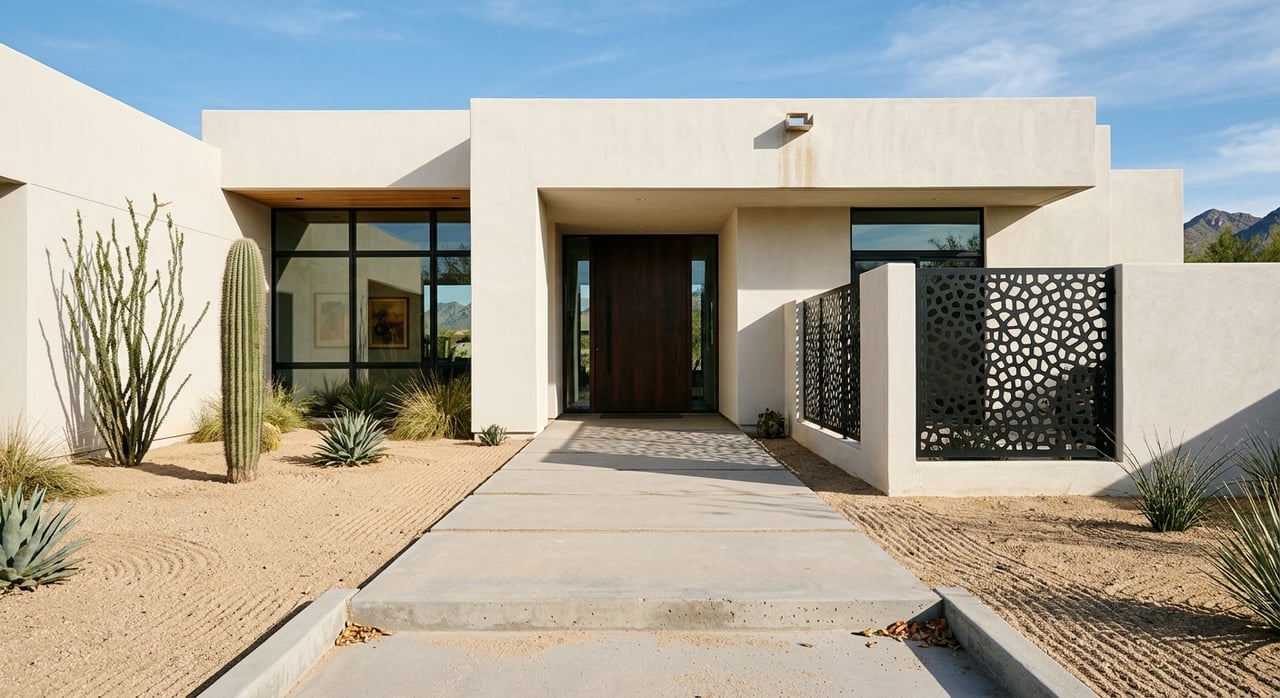
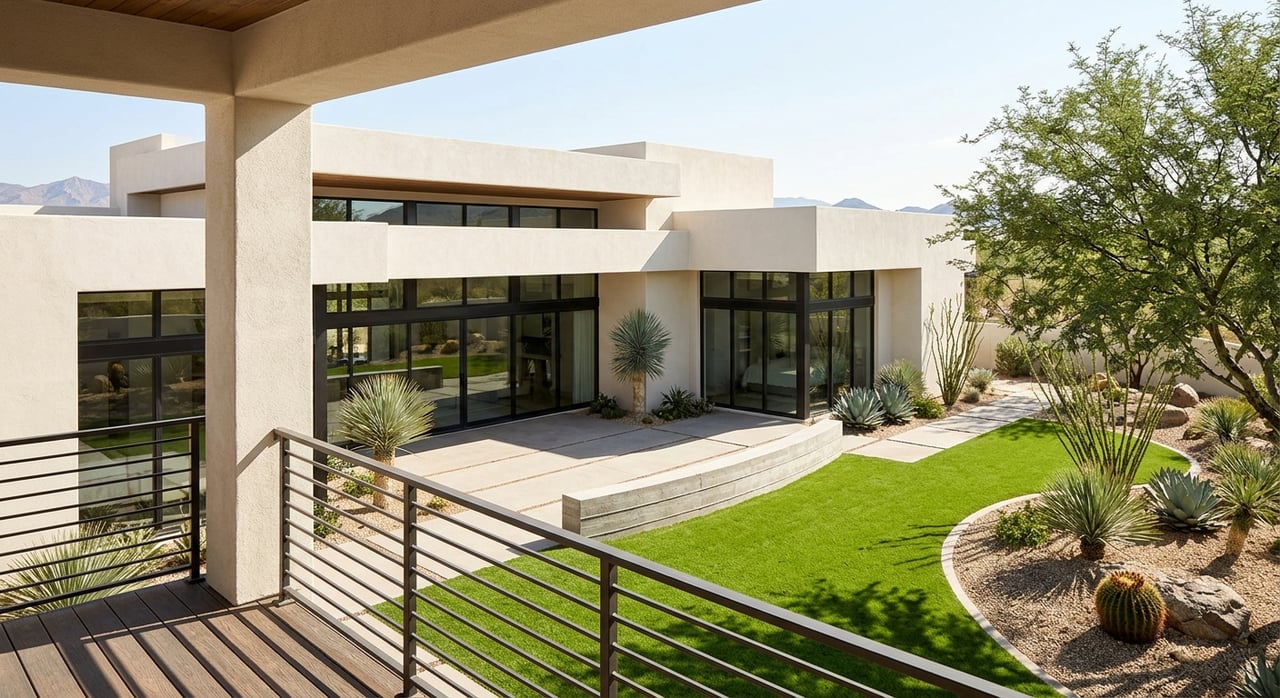
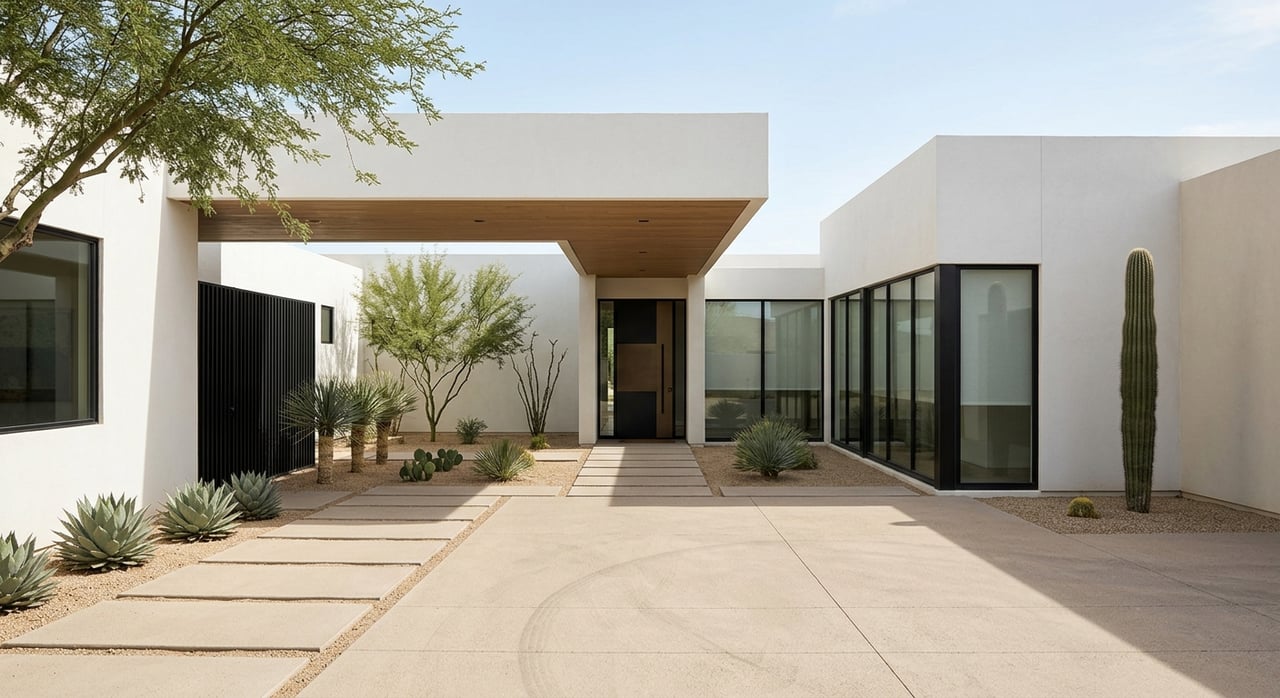
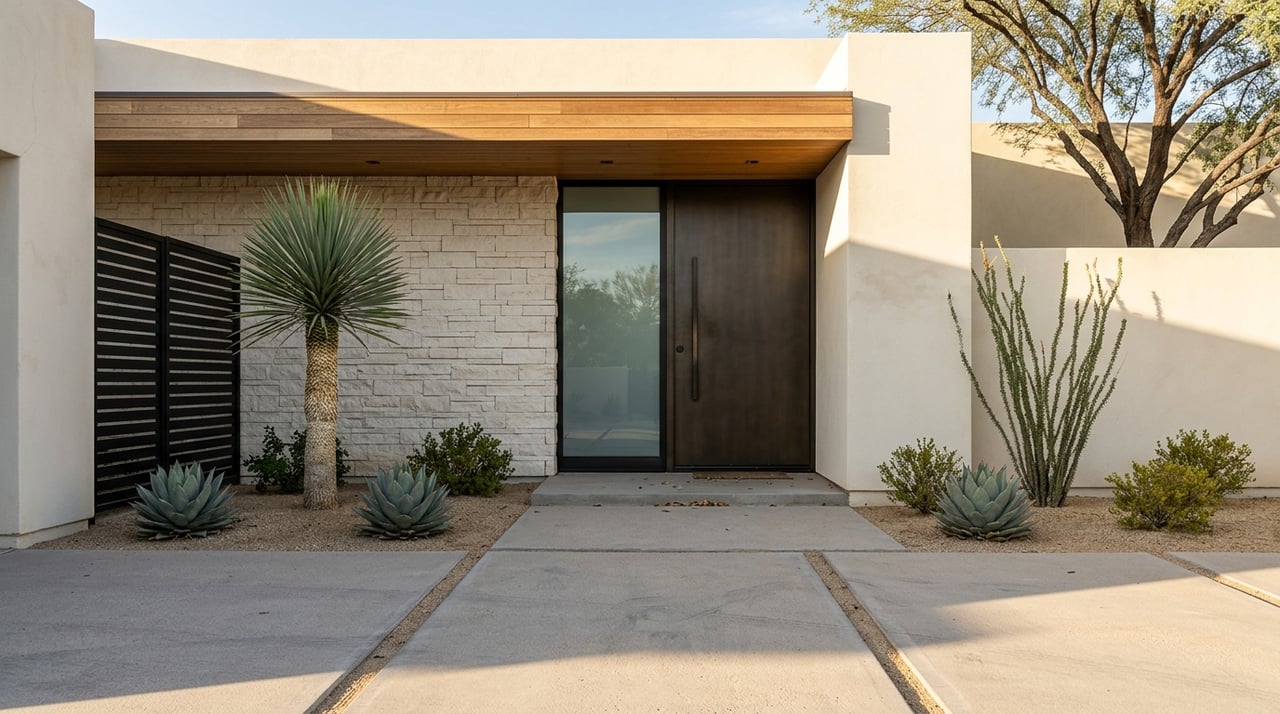
Look and feel: Regionally responsive design with weathered steel, desert stone, low-reflectance finishes, and deep overhangs. Shading, passive solar moves, and native xeriscape are part of the architecture, not afterthoughts.
Lot fit: Works across all lot types. This is a design mindset as much as a style, favoring climate performance and integration with the Sonoran Desert.
Indoor–outdoor experience: Spaces are oriented to sun angles and airflow. Gardens use native species to reduce water and maintenance while preserving a refined look.
Who loves it: You want sustainability, minimal upkeep, and an aesthetic that feels rooted in place.
Value drivers: Measured water and energy efficiencies, local plantings that lower irrigation costs, and high-quality shading solutions that keep interiors comfortable.
Mountain views of Camelback or Mummy Mountain and broad valley or skyline vistas are the most prized. Elevated or ridgeline parcels with unobstructed sightlines often command higher prices. Some homes frame one iconic mountain for intimacy while others offer panoramic day-to-night views with sparkling evening lights.
West-facing terraces deliver dramatic sunsets but can require stronger shading and cooling strategies. East-facing patios capture morning sun and often feel more comfortable in mid to late afternoon. If a home uses a lot of glass, the type of glazing, shading devices, and orientation will directly affect comfort and HVAC sizing.
Hillside lots deliver views with tradeoffs. Engineered foundations, retaining systems, site access, and earthwork increase complexity and costs. These realities can influence remodel versus teardown decisions. Flat lots allow sprawling single-level compounds, easier maintenance, and room for accessory structures.
Large setbacks, mature trees, and defensible outdoor rooms provide privacy, a key lifestyle element here. The balance between screening and view capture matters. Sellers often decide whether the hero of the home is privacy or view and stage accordingly.
Desert washes and drainage protections affect where you can place pools, patios, and accessory buildings. Confirm wash setbacks and any floodplain implications early. Layout and comfort depend on it.
Luxury buyers pay premiums for homes that are as comfortable as they are beautiful. Evaluate HVAC capacity and zoning, insulation levels, window performance, and solar readiness. Pools, irrigation, and large landscapes are ongoing expenses, and exterior finishes and flat roofs need periodic attention in the Arizona sun.
Insurance should reflect hillside conditions, pools, casitas, and detached garages. Some pockets have no HOA while others include private covenants or gated associations that may involve design review or shared road maintenance. Confirm these details early in your process.
Choosing among Paradise Valley’s signature styles is as much about your daily rhythm as it is about architecture. The right lot, view, and orientation will elevate how you live and protect long-term value. If you want discreet access to private and off-market options, plus guidance on site constraints, approvals, and lifestyle fit, connect with Meagan Radigan for a private consultation.
Stay up to date on the latest real estate trends.
Partner with Meagan to navigate every step of your real estate journey, from determining the current property value to crafting a competitive offer. With expert guidance in writing and negotiating contracts, Meagan is here to ensure a smooth and successful experience for all your real estate needs.