Sustainable Luxury Features That Elevate Sedona Estates
December 4, 2025
December 4, 2025
Want your Sedona estate to feel effortless while treading lightly on the landscape? In the high-desert, comfort, privacy, and resilience are just as important as beauty. When you pair sustainable systems with refined design, you elevate daily living and strengthen long-term value. Here is how to choose features that suit Sedona’s climate, preserve views, and resonate with luxury buyers. Let’s dive in.
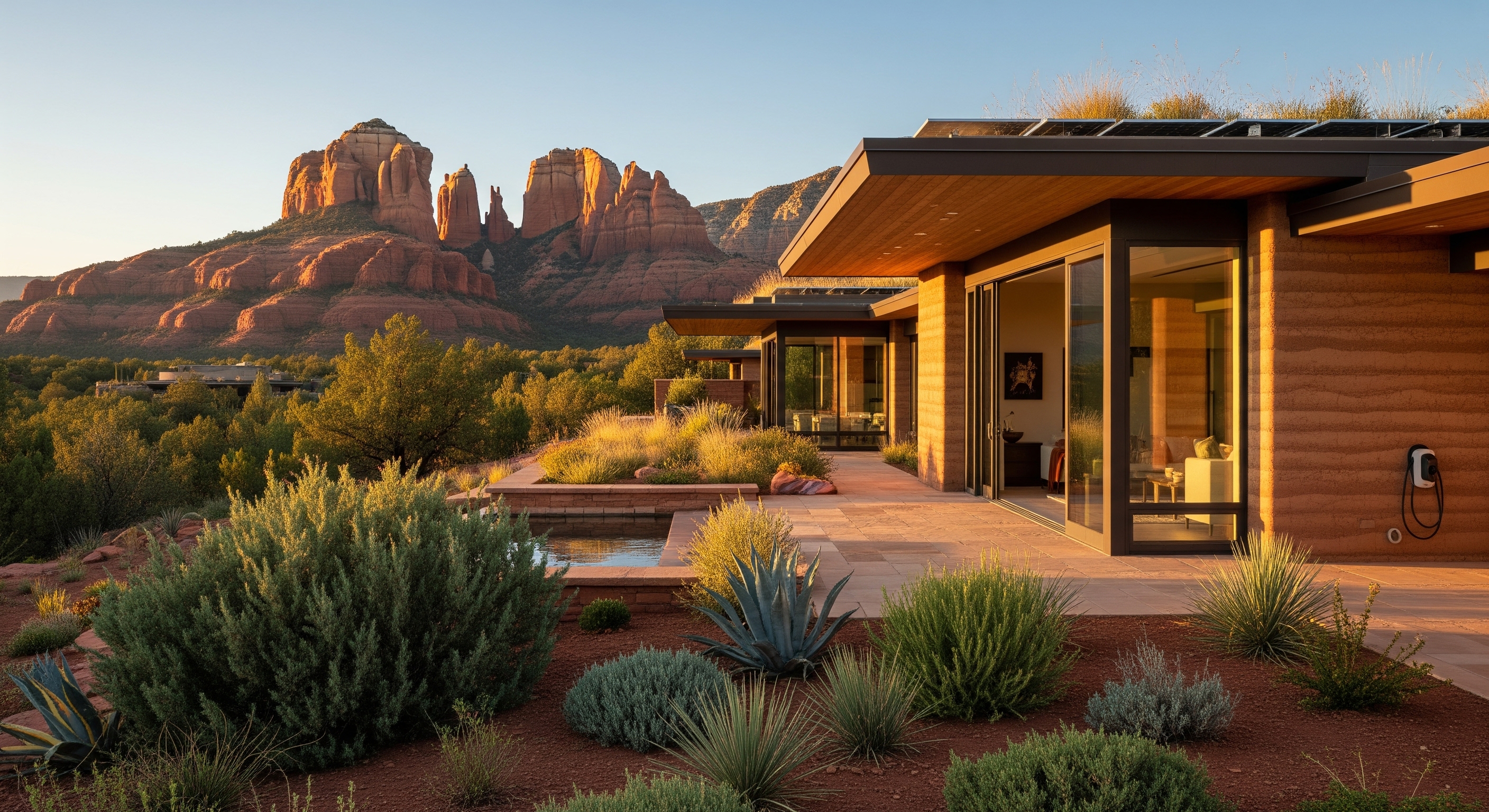
Sedona’s abundant sunshine makes on-site solar a natural fit for energy-intensive homes that run pools, spas, and advanced HVAC. Large day-to-night temperature swings also reward high-performance windows and thoughtful shading for steady comfort. Regional water stress puts a premium on xeriscaping, smart irrigation, and efficient fixtures that cut demand without sacrificing style. Wildfire awareness and dark-sky values shape material choices and outdoor lighting, so your estate blends with the red-rock setting and protects what makes Sedona special.
Sedona’s solar resource supports discreet, high-output systems that power daily life and provide backup during outages. Solar paired with premium batteries can manage peak loads, support Level 2 EV charging, and keep essential circuits running when the grid is down. For view-sensitive lots, consider low-profile roof arrays, building-integrated options, or ground mounts sited outside primary sightlines. To learn more about solar potential, review guidance from the National Renewable Energy Laboratory and the U.S. Department of Energy.
Insulated assemblies, airtight construction, and high-performance windows with low-e coatings keep interiors quiet and comfortable. Properly sized overhangs and shading help control solar gain during hot afternoons while letting in winter sun. Thermal mass elements, like stone or concrete placed out of direct summer sun, can temper indoor swings for a steady feel day to night.
Modern heat pumps provide efficient heating and cooling for Sedona’s range of temperatures. Zoning, high-end thermostats, and home energy management systems make comfort seamless by adjusting to occupancy and weather. When integrated with solar and batteries, smart controls can prioritize critical loads and optimize when chargers, pools, and appliances run.
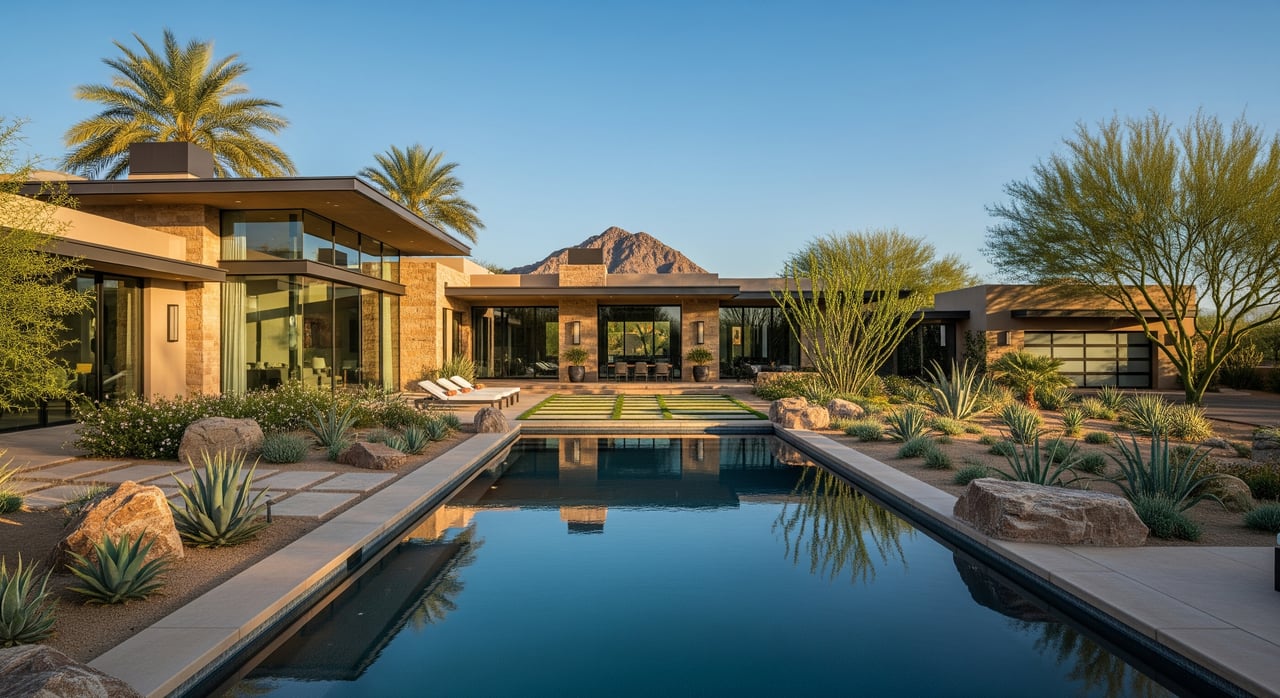
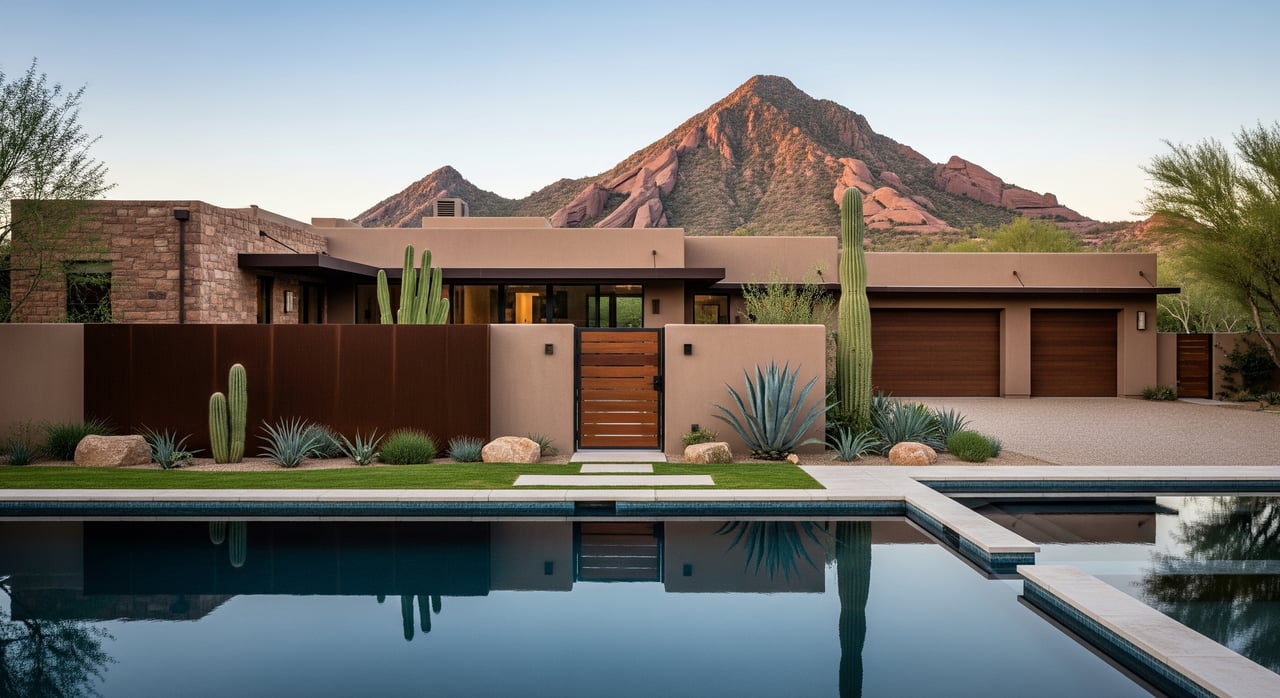
Drought-tolerant plantings and native palettes create a low-water, low-maintenance canvas that complements Sedona’s colors. With skilled design, you can achieve layered privacy, seasonal interest, and dramatic stonework while cutting irrigation needs. Drip systems and mulched beds help retain soil moisture and protect root zones.
Weather-based controllers, soil moisture sensors, and zoned drip lines deliver water only where and when landscapes need it. Greywater reuse from baths or laundry and rainwater capture can reduce potable demand when designed and permitted correctly. Before you plan, review current rules with the Arizona Department of Water Resources and coordinate with local permitting.
Variable-speed pumps, insulated spa covers, and LED lighting cut operating costs while maintaining a resort experience. Solar thermal options or optimized solar PV capacity can handle daytime pool loads. Regular maintenance and smart scheduling add efficiency without compromising performance.
Select low-VOC paints, formaldehyde-free cabinetry, and advanced filtration to support healthier indoor air. These choices align with luxury quality expectations and reduce odors during and after renovations. They also pair well with airtight construction by keeping indoor air cleaner.
Metal, stucco, fiber cement, and Class A roofing can reduce vulnerability to embers. Create defensible space with noncombustible hardscapes, ember-resistant vents, and strategic plant placement. For best practices, consult resources from the National Fire Protection Association and the U.S. Forest Service.
Sedona’s night skies are part of its magic. Use fully shielded fixtures, warm LEDs under 3000K, and motion controls to illuminate paths and architecture without light trespass. For design guidance that protects views and stars, explore the International Dark-Sky Association.
Thoughtful siting protects view corridors and privacy while reducing exposure to wildfire and seasonal storms. Low-profile massing, preserved native vegetation, and carefully managed grading help the home sit lightly on the land. Permeable paving, bioswales, and retention features manage monsoon flows, protect foundations, and keep outdoor areas usable after heavy rain.
Federal residential clean energy incentives can offset the cost of solar and batteries. Since programs change, review current options in the Database of State Incentives for Renewables and Efficiency and confirm eligibility with your tax advisor. Greywater and rainwater systems have specific Arizona rules, so check requirements with state and local offices before design. In Sedona and Coconino County, planning, hillside rules, scenic overlays, and HOA covenants can affect solar placement, materials, and landscaping, so start approvals early.
Luxury buyers respond to documented performance. Present utility bills that show lower consumption, system warranties, and any third-party certifications such as HERS, ENERGY STAR, LEED, or Passive House. Share measured benefits, like estimated battery backup hours, irrigation water savings, and pool operating cost reductions. Resilience features can also influence insurance underwriting, and some lenders offer green loan incentives, which adds another layer of appeal.
If you want a Sedona estate that pairs refined design with real performance, you deserve guidance that respects your privacy and standards. Whether you are curating a new build or preparing a discreet sale, we can help you prioritize the right upgrades and present them with credibility. Connect with Meagan Radigan to align sustainability, lifestyle, and value.
Stay up to date on the latest real estate trends.
Partner with Meagan to navigate every step of your real estate journey, from determining the current property value to crafting a competitive offer. With expert guidance in writing and negotiating contracts, Meagan is here to ensure a smooth and successful experience for all your real estate needs.