Trying to choose between a sprawling desert estate and a low‑touch lock‑and‑leave in Phoenix? You are not alone. Many executives and second‑home buyers want privacy, convenience, and smart operating costs that match a travel‑heavy life. In this guide, you will see how each option fits the Phoenix, Scottsdale, and Paradise Valley luxury market, what real costs look like, and how rules like short‑term rentals can shape your plan. Let’s dive in.
Phoenix luxury at a glance
Luxury in the Valley is multi‑tiered. Recent market snapshots show city of Phoenix medians in the mid‑$400k range, Scottsdale near the mid‑$900k range, and Paradise Valley in the multi‑million‑dollar tier. Buyer pools, resale timelines, and typical use cases shift as you move from central Phoenix and Scottsdale into ultra‑luxury enclaves like Paradise Valley and Silverleaf. That context matters when you plan for liquidity and long‑term value.
What each home type means
Estates defined
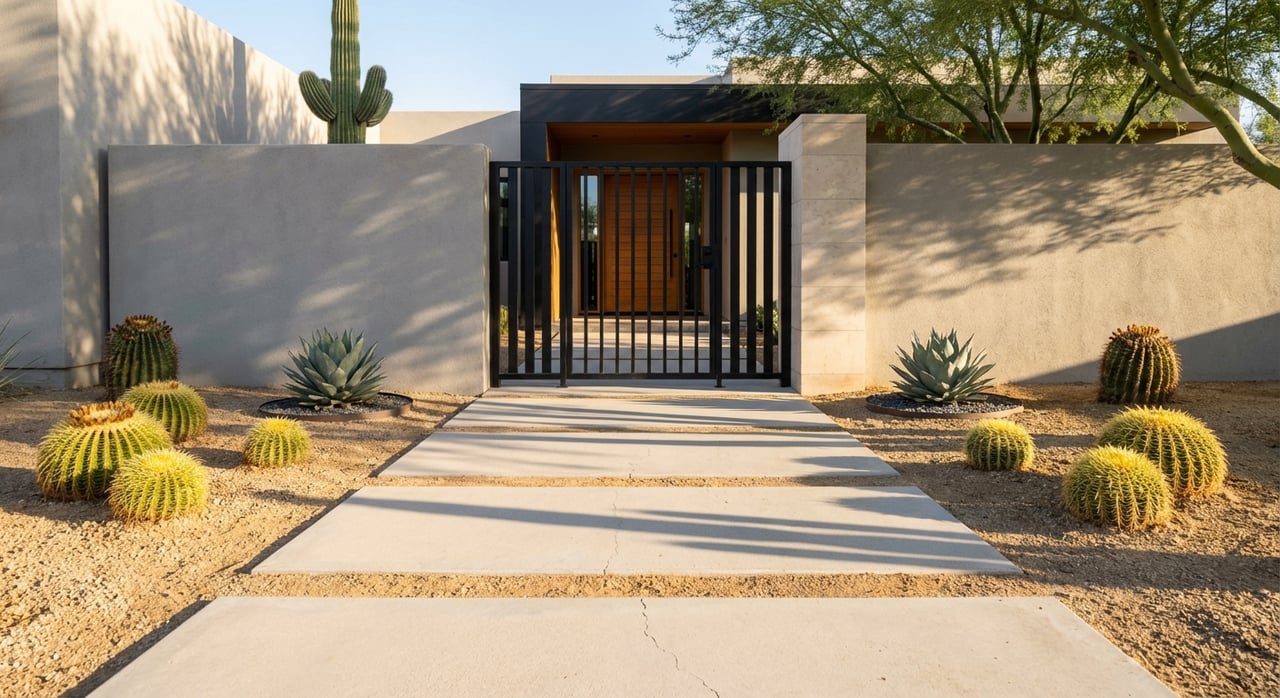
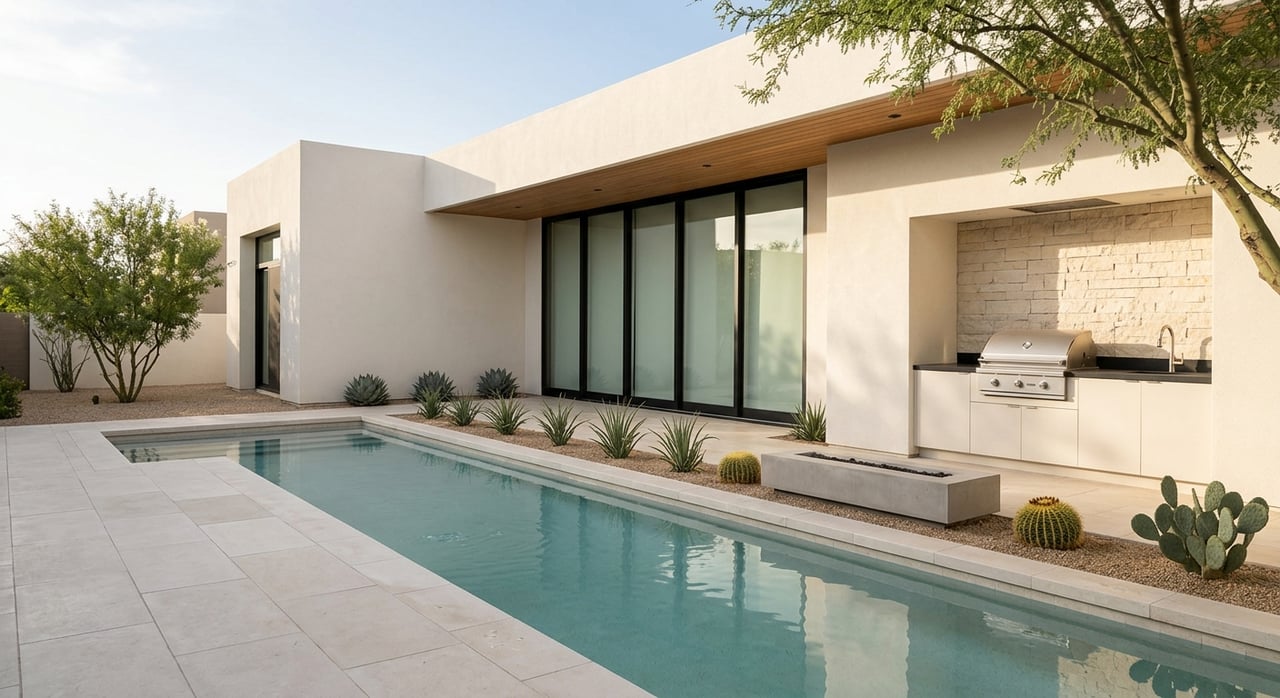
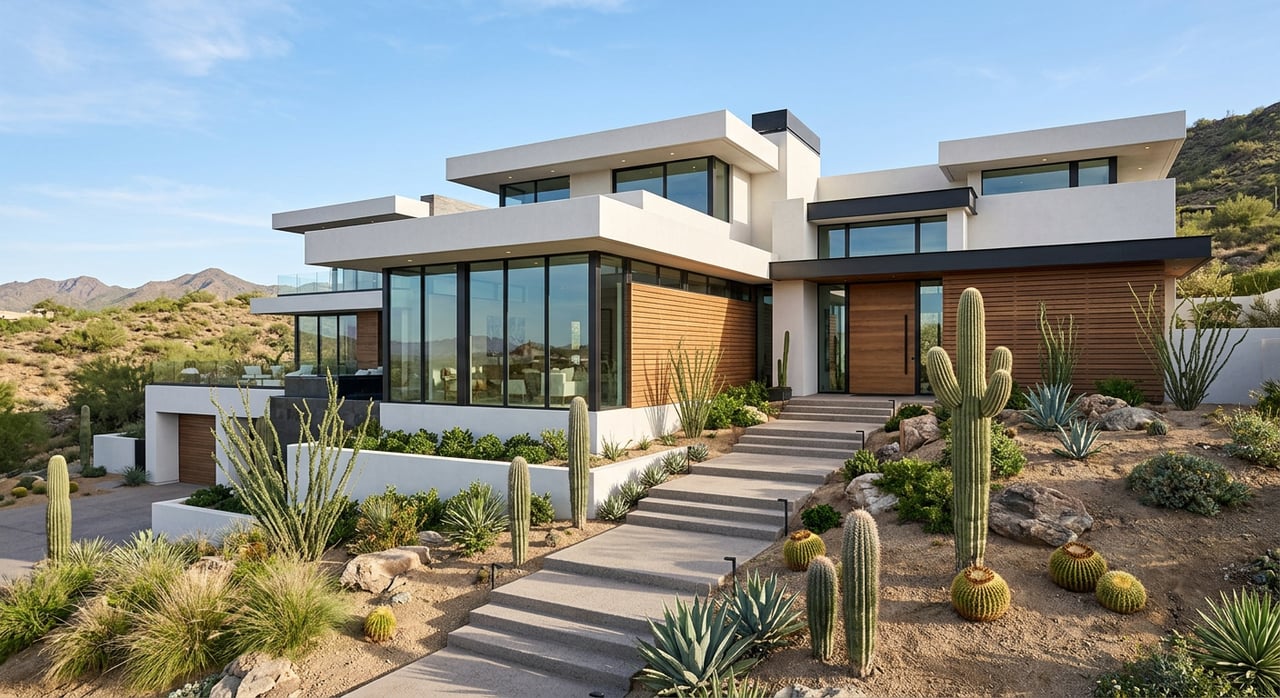
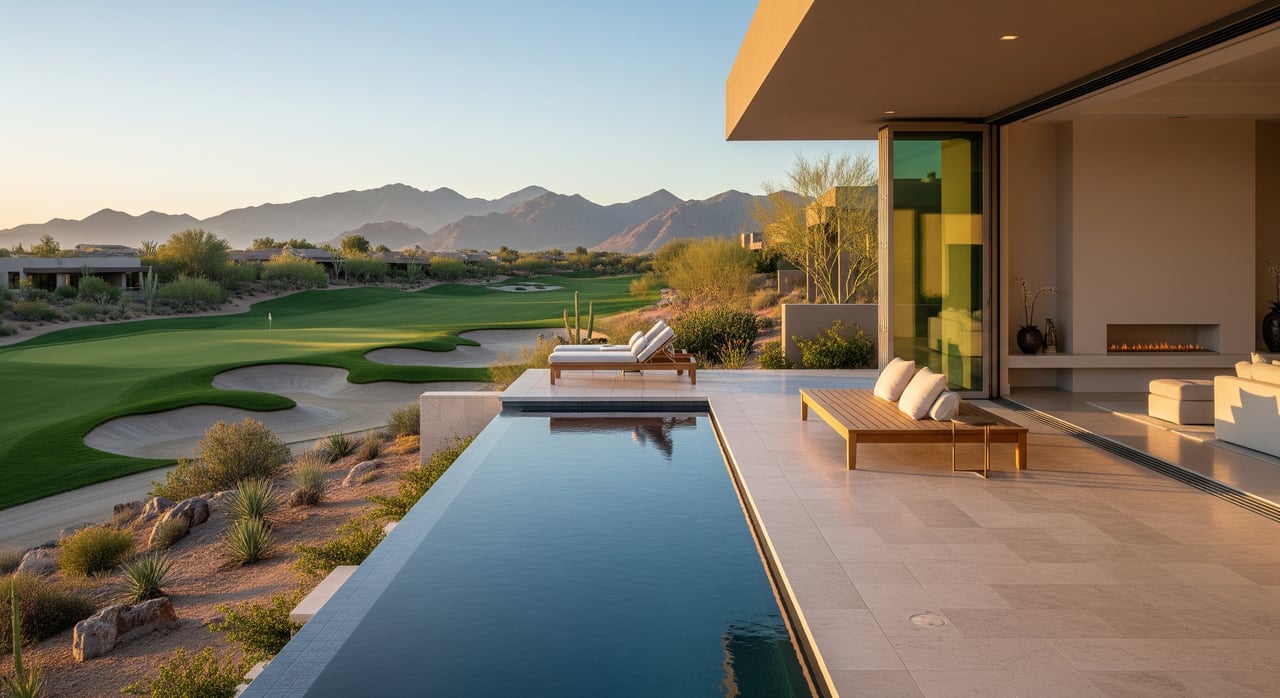
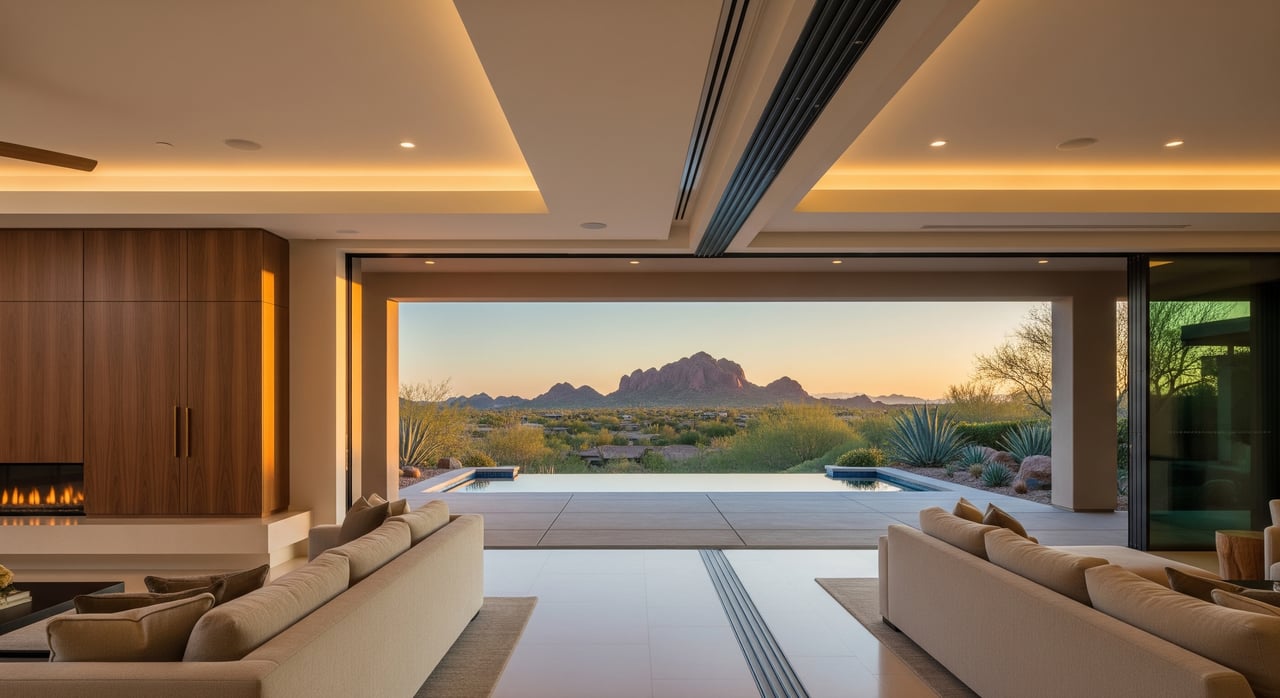
An estate is a custom single‑family property on a large lot, often with multiple structures, guest quarters, a large pool, and extensive landscaping. In the Phoenix luxury corridor, you see these most in Paradise Valley, Silverleaf in North Scottsdale, parts of North Scottsdale, and select areas around the Biltmore and Arcadia. These properties maximize privacy and design freedom, and they can support full‑time household staff.
Lock‑and‑leave defined
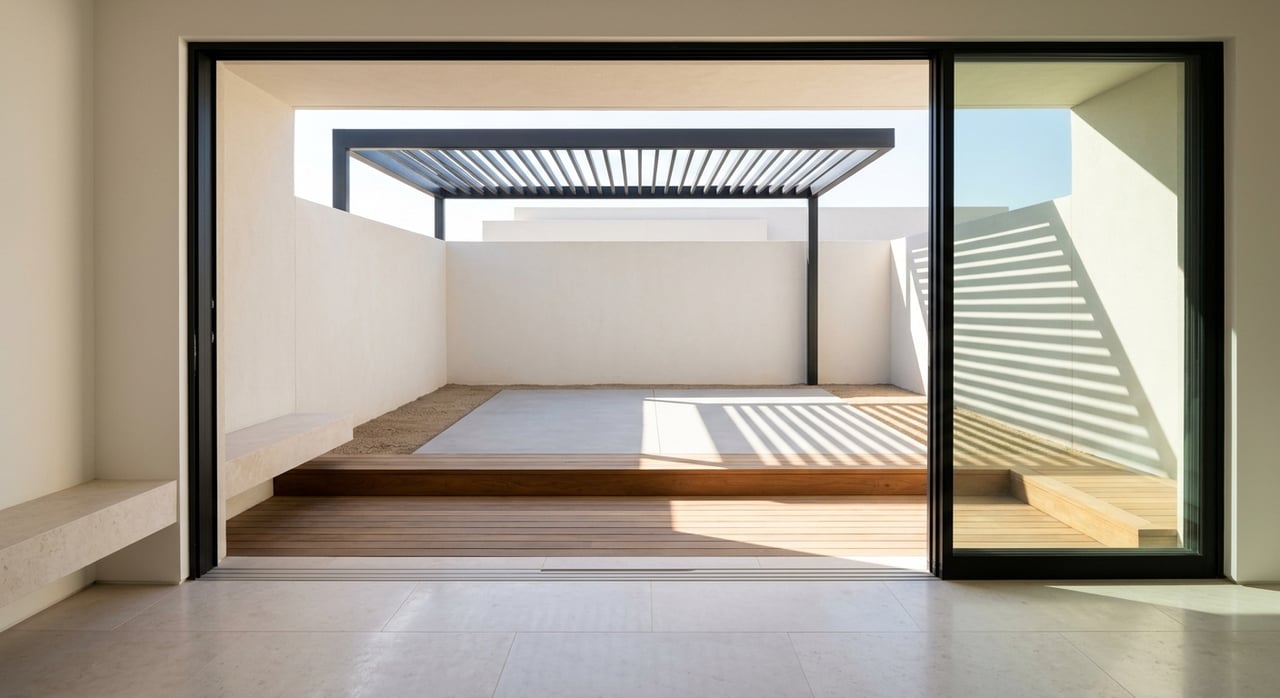
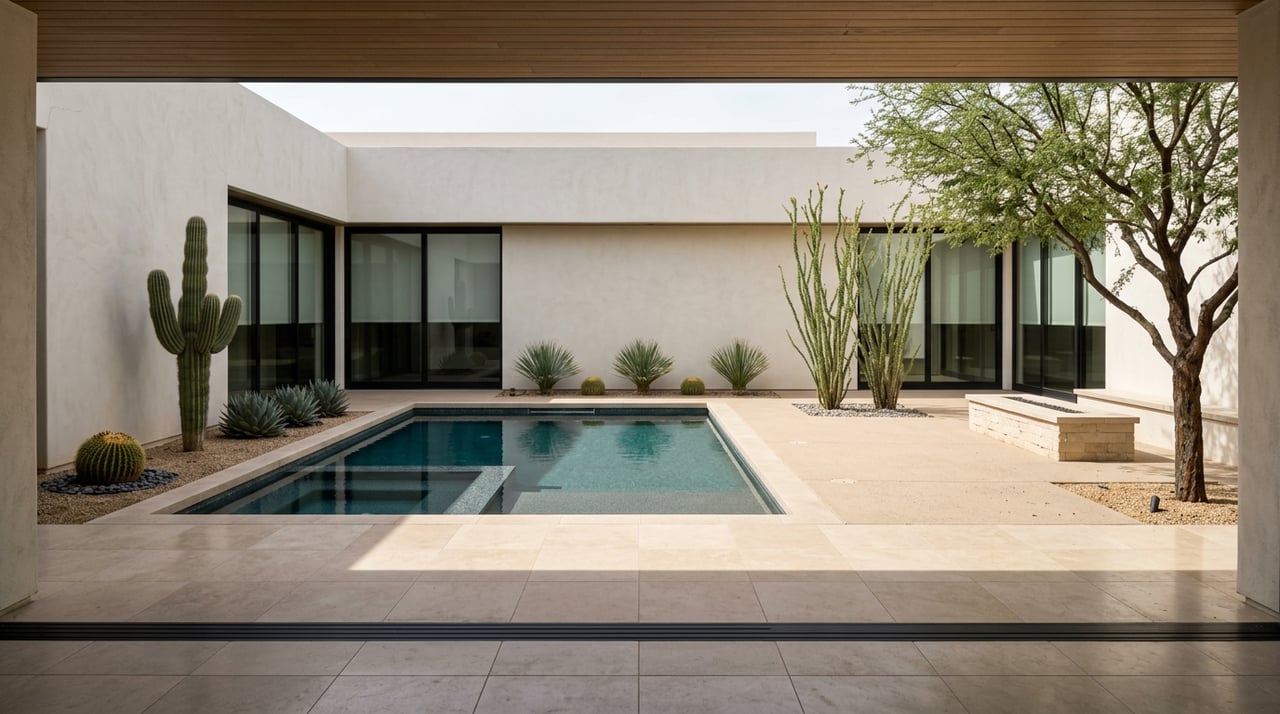
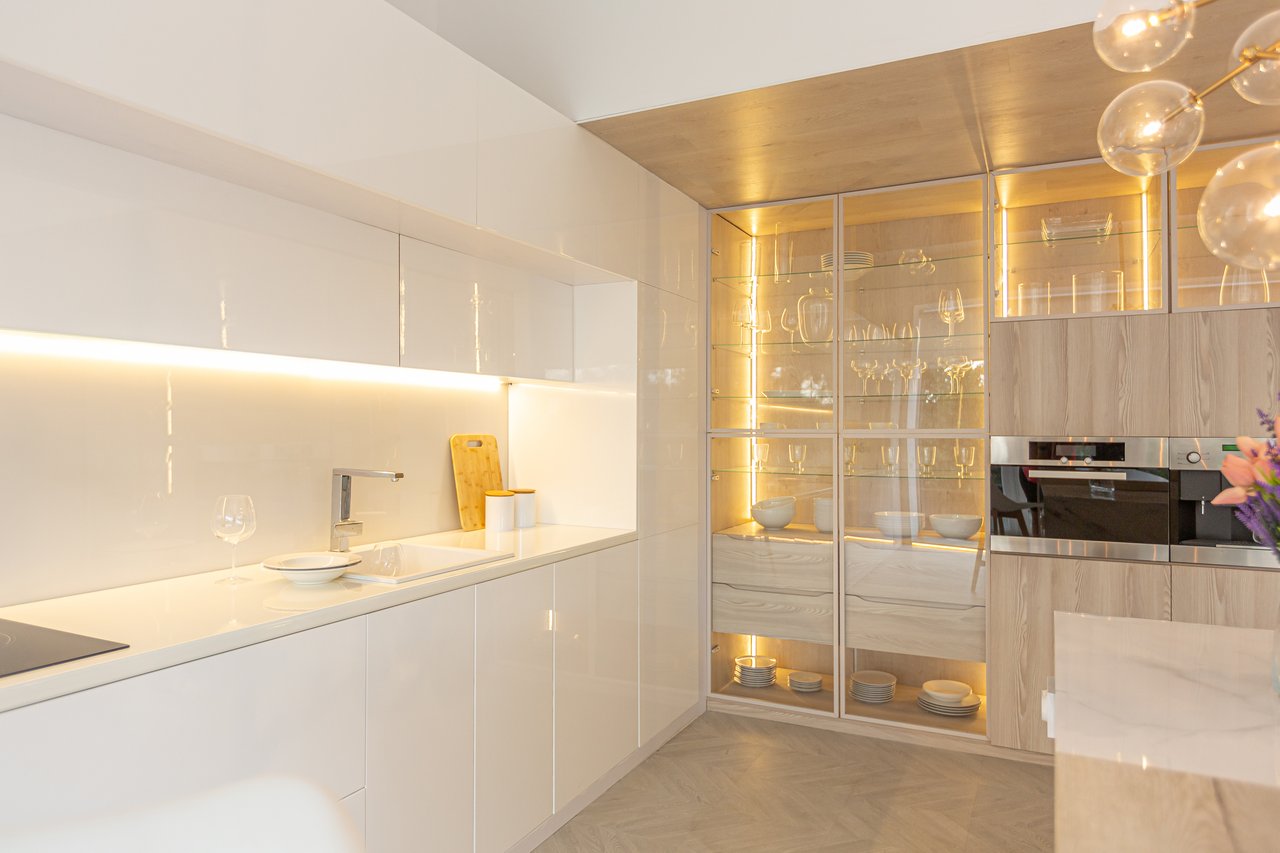
Lock‑and‑leave residences include luxury condos, townhomes, villas, and patio homes in gated or full‑service communities where the HOA or a building team handles exterior maintenance and many amenities. Popular pockets include DC Ranch, Kierland, and luxury condo buildings near Old Town Scottsdale. These homes focus on low‑touch ownership so you can travel for weeks or months and return to a move‑ready space.
Lifestyle tradeoffs that matter
Maintenance and operating costs
- Pools. Routine professional pool service in the Phoenix–Scottsdale area commonly runs about $85 to $150 per month, with total annual ownership for energy, chemicals, and minor repairs often in the $1,000 to $5,000 range depending on size and equipment. See local pricing benchmarks in this overview of typical pool service costs for Phoenix owners from Above All Pool Care.
- Landscaping and irrigation. Desert landscaping still needs expert irrigation and seasonal care. Recurring costs vary widely, and installing or upgrading smart irrigation can run from roughly $5,000 to $25,000 or more depending on zones and complexity. Review local estimates and planning tips via HomeGuide’s Arizona landscaping resources.
- Staff. For true estates, many owners engage part‑time or full‑time help. Phoenix market data suggests an estate manager can land in a broad six‑figure range depending on scope and experience. Check compensation ranges for the Phoenix area on Salary.com. Typical housekeeping pay sits much lower on an hourly basis.
- Property checks for lock‑and‑leave owners. If you are away often, a local property‑check or concierge service is common. Expect a general range of about $150 to $600 per month for scheduled visits and troubleshooting, with special‑call fees as needed. See service types and fee structures from Rocket Residential’s Arizona overview. If you plan to operate as a short‑term rental, full‑service management often costs 15 to 25 percent of gross revenue; compare models using this market scan of Arizona providers from HomeTeam Luxury Rentals.
Bottom line: Estates concentrate spending in staffing, grounds, utilities, and systems, while lock‑and‑leave homes shift some of that cost into HOA dues and light concierge services.
Privacy and security
- Estates maximize physical privacy through lot size, setbacks, and long driveways. Many owners add gates, perimeter cameras, biometric systems, and safe rooms, reflecting trends covered in this overview of high‑end security in luxury properties by the Wall Street Journal.
- Lock‑and‑leave communities often include gates, electronic visitor management, and on‑site patrols, which can reduce the owner’s coordination burden. Review each HOA’s rules for guest access, vendor entry, and any extended‑absence protocols.
Utilities, climate, and water
Phoenix summers push cooling loads and energy costs. Large estates with multiple systems and pools can see material summer spikes in electric bills, and local utilities have implemented rate adjustments in recent years. For context on rate dynamics, see reporting on planned changes from Yahoo News. Energy‑efficient HVAC and solar can help, although payback depends on system size and rate structures.
Water use ties directly to landscaping choices. Some Valley cities run turf‑removal and xeriscape rebates, while Phoenix has historically taken a different approach. If you prefer turf, plan for higher water use and ongoing irrigation maintenance. For an overview of regional water‑policy efforts, review this summary from the Water Desk.
Short‑term rentals and local rules
If you intend to rent a second home when you travel, regulations matter. Scottsdale requires licensing, neighbor notification, minimum insurance, and local tax compliance for short‑term rentals, along with an in‑market emergency contact. Paradise Valley and other jurisdictions have their own rules, and HOAs can prohibit or restrict STRs regardless of city policy. Review key Scottsdale requirements and compliance obligations through this Scottsdale STR regulation guide.
Resale and liquidity
- Estates attract a narrower buyer pool focused on privacy, architecture, and acreage. Marketing timelines can be longer, and pricing is more sensitive to ultra‑high‑net‑worth demand, although headline‑making sales do occur. For a sense of the upper tier’s dynamics, see this report on one of Arizona’s priciest transactions from the Wall Street Journal.
- Lock‑and‑leave properties often appeal to a broader mix of buyers, including part‑time residents and downsizers. That larger buyer pool and more standardized comparables can support faster resale in many price bands.
Quick matching guide
Choose an estate if:
- You want maximum privacy and space for hosting.
- You plan to live in Phoenix full time or for long stretches.
- You are comfortable budgeting for staff, grounds, and multiple systems.
- You prefer custom amenities, long views, and architectural expression.
Choose lock‑and‑leave if:
- You travel frequently and want low‑touch ownership.
- You value gated convenience and community maintenance.
- You may pursue STR income and want a product type with clearer comparables and a broader buyer pool at resale.
- You prefer predictable monthly fees over staffing and vendor coordination.
Budget snapshots
These are illustrative ranges to help you frame the conversation. Always request seller utility histories, vendor contracts, and fresh local quotes for any specific property.
Large Paradise Valley or Silverleaf‑area estate (examples):
- Estate manager: roughly $80,000 to $180,000 per year depending on scope and experience. Source ranges: Salary.com’s Phoenix data.
- Housekeeping: often hourly, significantly lower than manager compensation in the Phoenix market.
- Pool: about $85 to $150 per month for routine service, with $1,000 to $5,000 per year for full ownership costs depending on features. Source: Above All Pool Care.
- Landscaping and irrigation: from a few thousand to well above $50,000 per year depending on lot scale and whether crews are in‑house or contracted. Smart‑controller or system installs often run $5,000 to $25,000 or more. Source: HomeGuide.
- Security: from monitored systems to high‑end custom integrations and periodic guard service. See trends via the Wall Street Journal.
- Utilities and water: plan for summer electric spikes, pool pump loads, and irrigation. Rate changes can impact bills; see context from Yahoo News.
Lock‑and‑leave condo, villa, or patio home (examples):
- HOA dues: ranges vary widely by amenity level and service inclusions. Review exactly what the dues cover, from grounds to gate operations and building services.
- Property check or concierge: about $150 to $600 per month for scheduled visits. Source: Rocket Residential.
- STR management, if applicable: often 15 to 25 percent of gross rental receipts depending on service level. Compare models via HomeTeam Luxury Rentals.
How to vet a property before you offer
Use this checklist to reduce surprises and align the home with your lifestyle.
- Confirm HOA rules and inclusions. Read the CC&Rs and bylaws. Verify guest access protocols, landscaping responsibility, and whether STRs are allowed.
- Check STR licensing and taxes. Scottsdale and nearby cities require specific registrations, compliance, and local contacts. Start with this Scottsdale STR regulation summary and confirm details with the city.
- Review 12 to 36 months of utility bills. Ask for electricity, water, and gas plus current vendor contracts for pool, irrigation, landscaping, and security. Get at least two fresh local quotes for large systems. Use local pool cost benchmarks from Above All Pool Care.
- Price out absentee support. If you will be away for long stretches, obtain proposals for property checks, seasonal maintenance, and emergency response. See service frameworks via Rocket Residential.
- Verify insurance fit. Confirm homeowners and umbrella coverage match your property value and planned use, including any STR activity. Get market context from this review of Arizona homeowners insurance trends by Money.com.
- Align your water and landscape plan. Confirm irrigation age and coverage, meter reads, and whether the jurisdiction offers turf or xeriscape rebates. For regional policy context, see the Water Desk.
The takeaway
Both paths can be excellent in Phoenix. If you want complete privacy, room to create, and a place to gather for seasons at a time, an estate delivers a one‑of‑a‑kind experience. If you want simplicity, travel often, and prefer predictable ownership with strong liquidity at resale, a lock‑and‑leave community may be the better fit.
When you are ready to explore on‑ and off‑market options in Paradise Valley, Scottsdale, and North Scottsdale, connect with Meagan Radigan for white‑glove guidance and curated access to private listings.
FAQs
What is a lock‑and‑leave home in Phoenix?
- A lock‑and‑leave is a luxury condo, villa, townhome, or patio home in a gated or full‑service setting where exterior maintenance and many amenities are handled by the HOA or building team, making it easy to travel for long periods.
How do estate operating costs compare to condos or villas?
- Estates carry larger variable costs for grounds, pools, utilities, and potential staff, while lock‑and‑leave homes shift some costs into HOA dues and light concierge services; review vendor quotes and recent utility bills for any property you consider.
Can I short‑term rent a Scottsdale second home?
- Yes, if you follow city requirements for licensing, taxes, insurance, and local contacts, and if your HOA allows it; start with the city’s framework summarized here: Scottsdale STR rules.
What should I budget for pool care in Scottsdale or Paradise Valley?
- Routine professional service often runs about $85 to $150 per month, with annual ownership costs of roughly $1,000 to $5,000 depending on size and equipment; see local benchmarks from Above All Pool Care.
Do large estates need full‑time staff?
- Not always, but many owners of true large‑lot estates engage at least part‑time support like a housekeeper, landscape crew, or estate manager; staffing needs scale with property size and systems, so build a budget using local compensation data and vendor quotes.